

Explore our calendar of webinars, workshops, and conferences
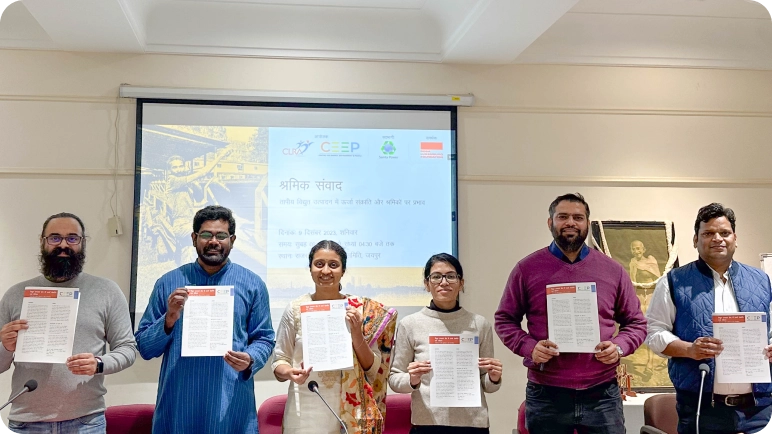
Grid Se Ghar Tak is a training series by CEEP, in collaboration with RERC, to educate Rajasthan's electricity consumers on governance, rights, and responsibilities while fostering active participation in shaping a robust and consumer-focused power sector. The inaugural workshop happened in February 2023, and introduced the electricity sector, its challenges, policies, and citizen engagement to 46 participants, attending both in-person and virtually.
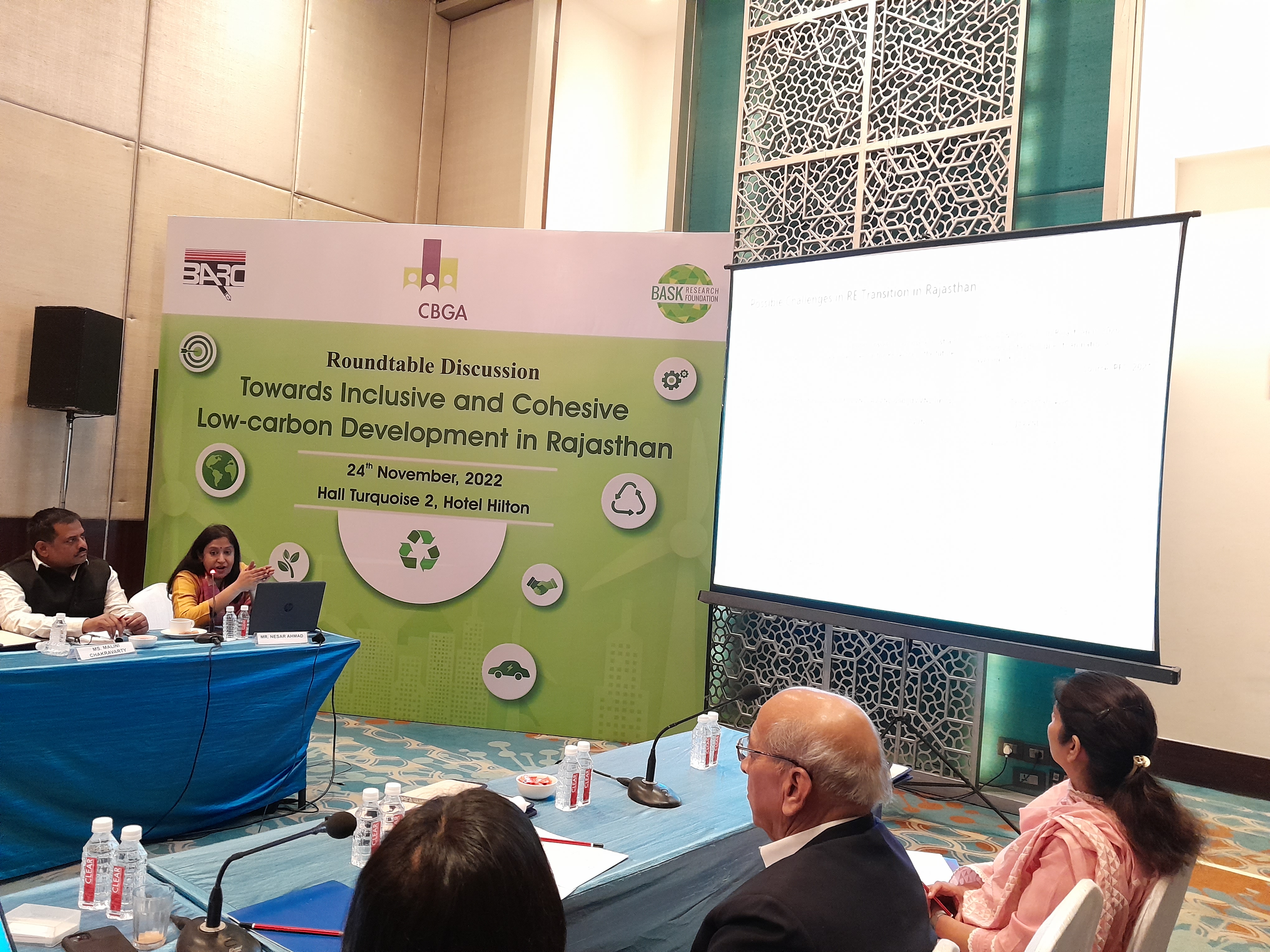
A roundtable was organised by CBGA, BARC, and CEEP to discuss the potential of climate-responsive budgeting for climate change mitigation. Findings from CEEP’s research on public financing for clean energy in Rajasthan were shared, highlighting mapped policies, climate-relevant programmes, and social welfare schemes. The event explored opportunities and challenges in accelerating low-carbon development in Rajasthan’s power sector.
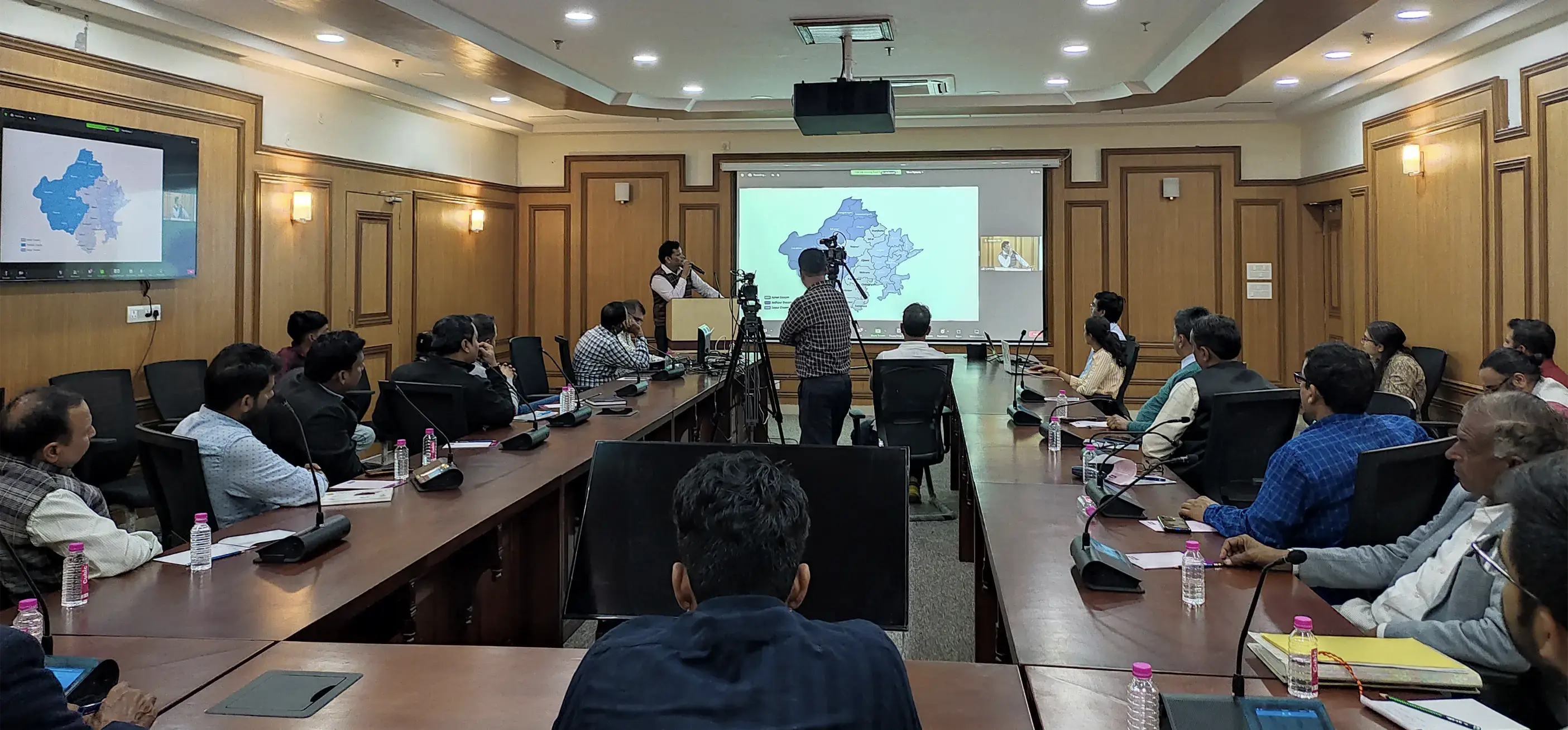
A collaboration between CEEP, CER IIT Kanpur, and CUTS International, this event forecasted electricity demand at the state and district levels for 2030 and 2050. A one-day training program was held for Rajasthan's power sector utilities on long-term demand forecasting, planning methodologies, and resource adequacy. The workshop, inaugurated by Dr B. N. Sharma, ex-chairman of RERC, emphasised the complexities of forecasting and its role in planning generation, transmission, and distribution capacities.

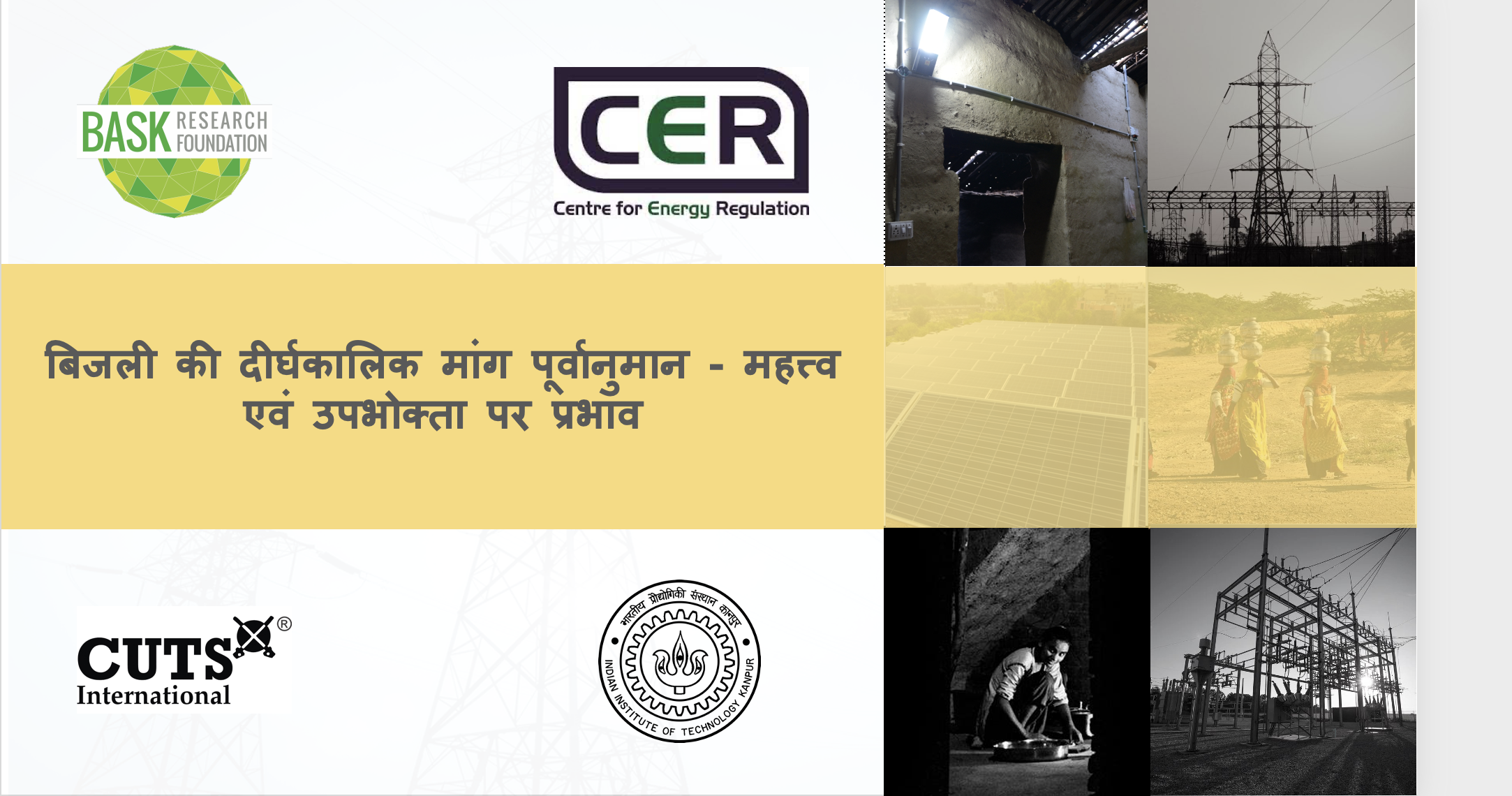
A collaboration between CEEP, CER IIT Kanpur, and CUTS International, it aimed to forecast electricity demand in Rajasthan at the state and district levels for 2030 and 2050. A half-day training workshop was organised for CSOs to build their capacity in long-term demand forecasting, power planning, and understanding the impact of poor planning on consumer tariffs. Anshuman Gothwal highlighted the significance of accurate forecasting in optimising capacity expansion, infrastructure development, and power purchase requirements for utilities. The workshop emphasised CSOs' role in influencing electricity planning and tariff issues. The session concluded with a feedback session, where participants stressed the need for continued engagement to enhance consumer participation in the power sector.
Rajasthan Electricity Regulatory Commission's (RERC) 2021 discussion paper on "Framework for Large Scale Integration of Renewable Energy using Energy Storage Systems and its Impact on Tariffs" aligns with India's net-zero emissions targets by 2050, emphasising the need for policy and innovation to deploy clean energy technologies. In this context, the Centre for Energy, Environment, and People (CEEP) organised a webinar on "Regulatory Framework for Utility-Scale Energy Storage Systems in Rajasthan." The event proposed a regulatory framework to integrate energy storage systems across generation, transmission, and distribution, addressing Rajasthan's renewable energy (RE) integration challenges.

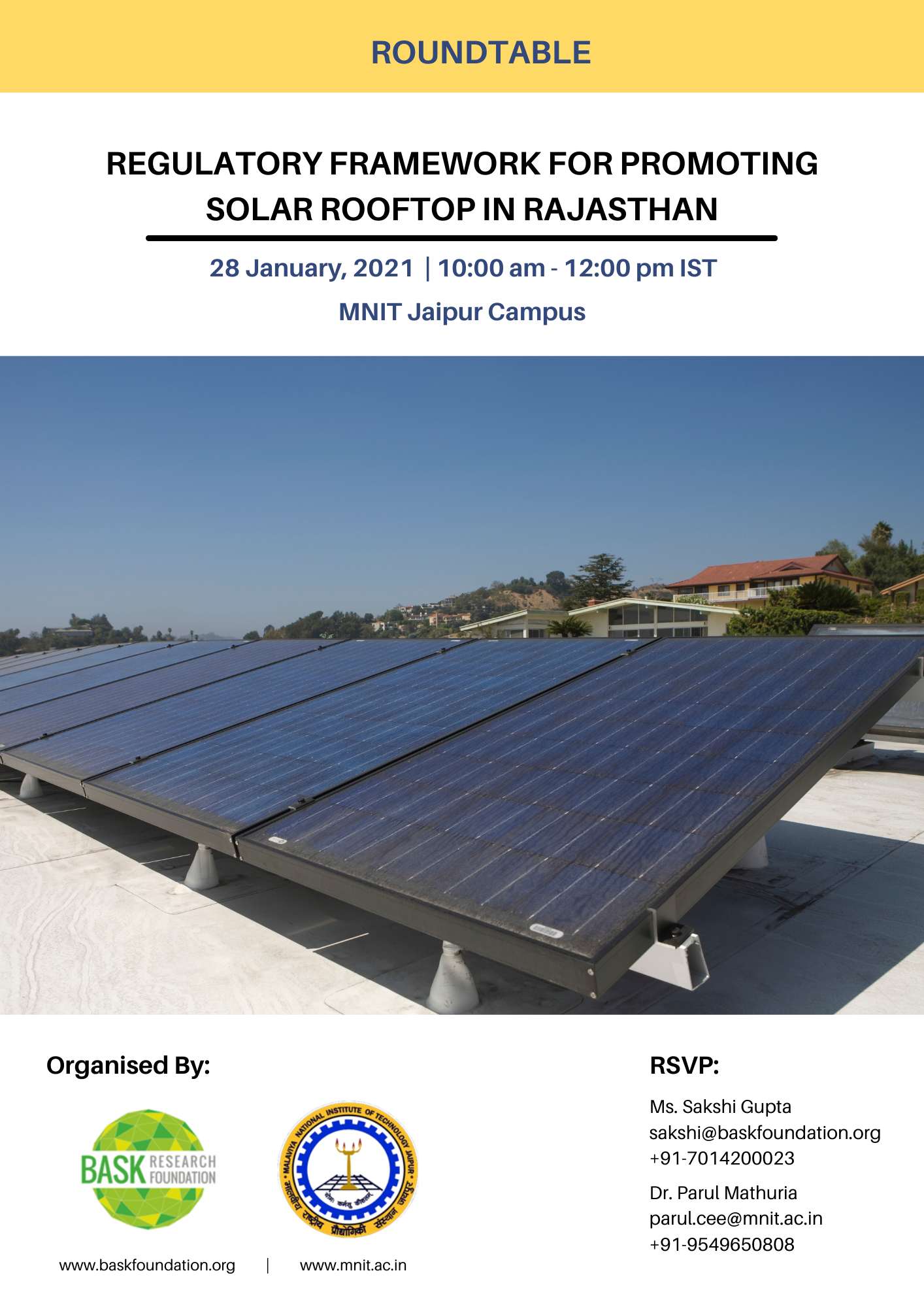
RERC’s draft regulations on grid-interactive distributed renewable energy raised serious concerns among solar rooftop developers and civil society organisations. To address these, CEEP and the Centre for Energy and Environment (MNIT, Jaipur) organised a roundtable where representatives from leading policy and research organisations, along with industry experts, discussed key stakeholder issues. Participants highlighted the potential social and economic impacts of the proposed regulations, particularly on SMEs and local employment. Stakeholders' views were submitted to the Commission, urging the adoption of a fair regulatory framework to promote solar rooftop systems in Rajasthan.
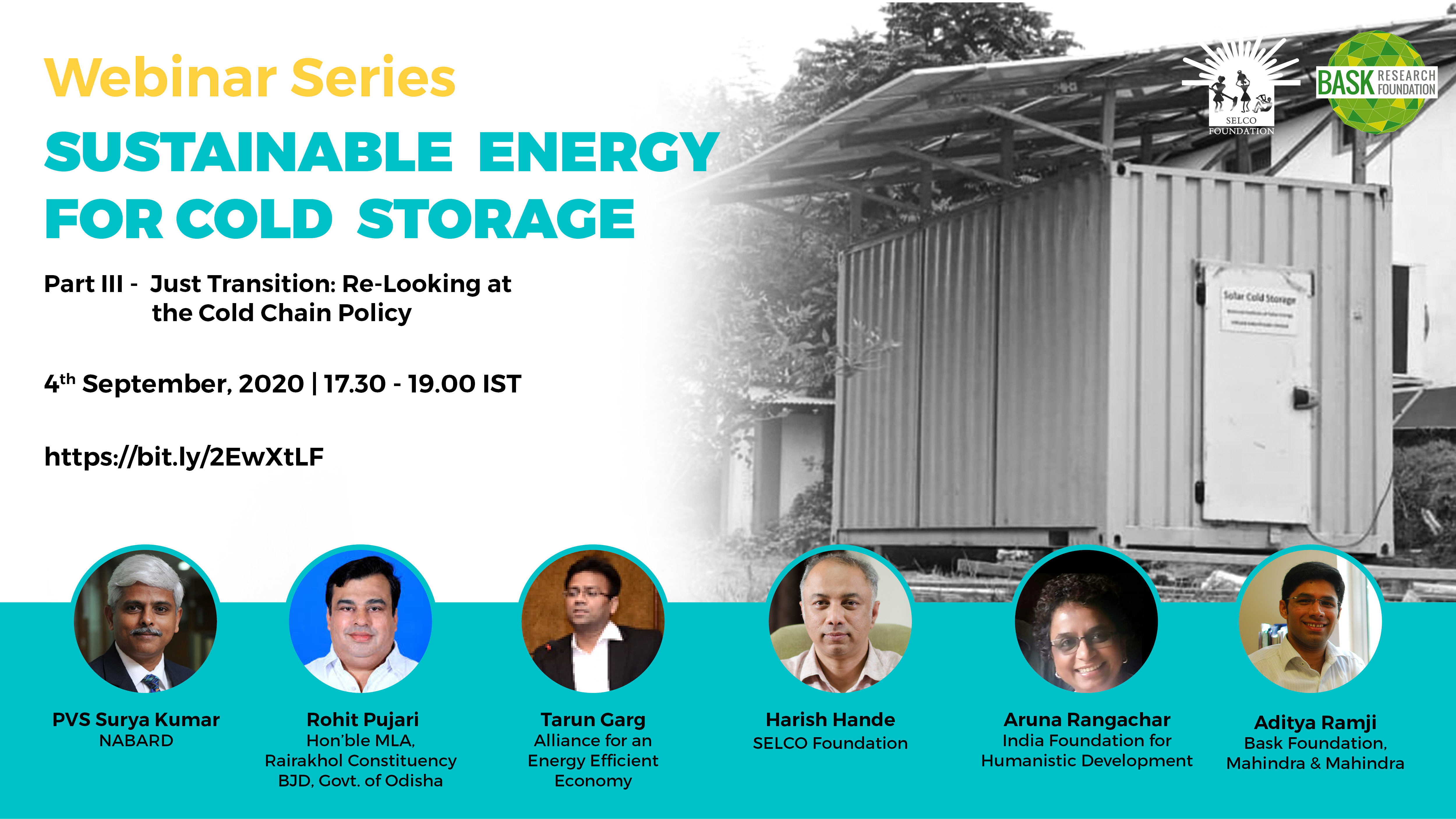
The third webinar in the series by SELCO Foundation and CEEP focused on sustainable energy for cold storage and just transition. It highlighted how inadequate storage infrastructure hampers farmers' bargaining power and their ability to secure fair prices for their produce. The session concluded that cold storage finance should combine grants and loans, as farm produce aggregators struggle to reach break-even within four years.
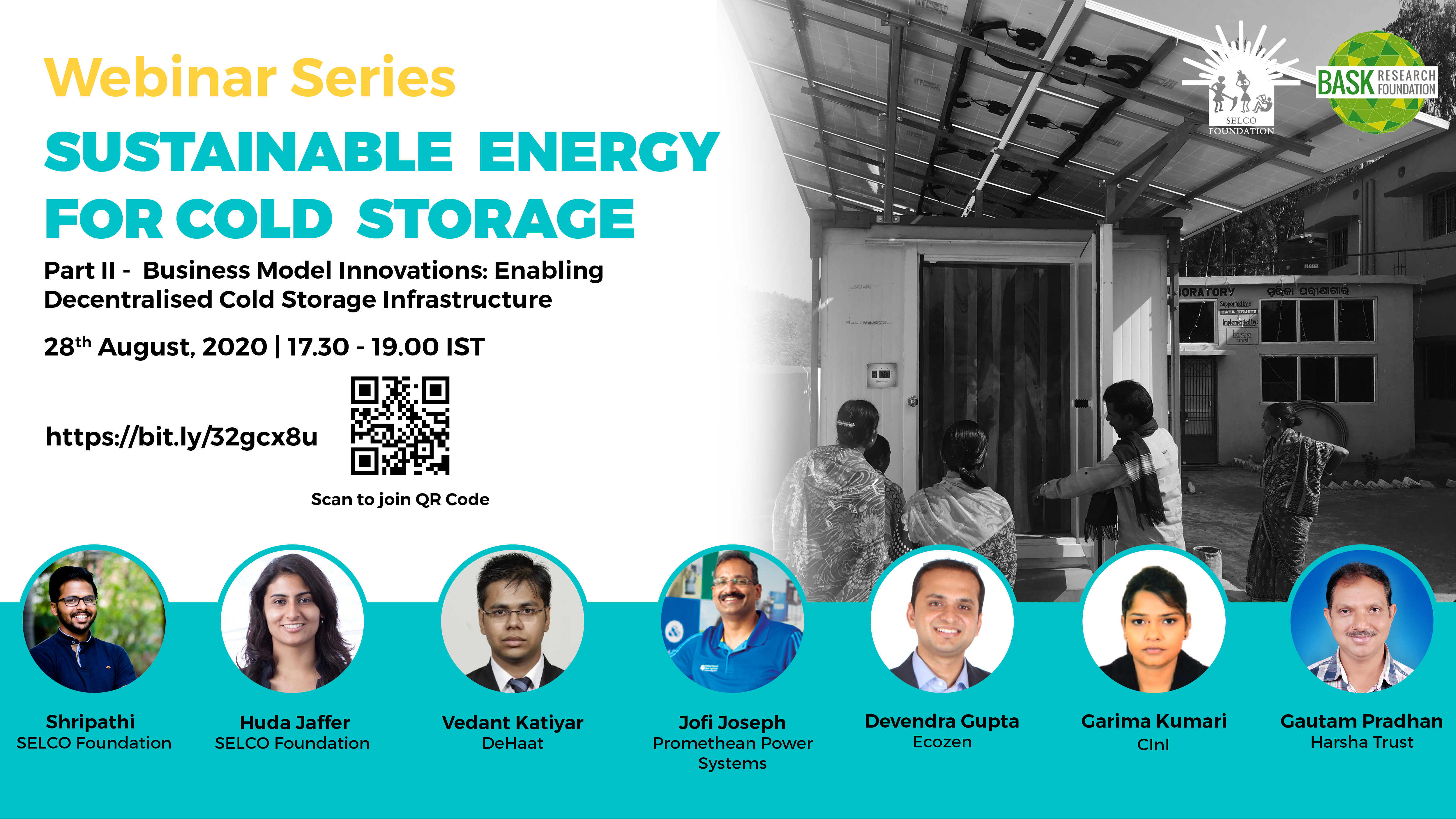
The second webinar in the "Sustainable Energy for Cold Storage" series, conducted by SELCO Foundation and CEEP, focused on viable business models for cold storage. It highlighted challenges in cold chain storage capacity, financing, and infrastructure, particularly for small farmers. The session also explored policy implications, technology innovations, and business models aiming to disrupt the ecosystem for the benefit of small and marginal farmers.
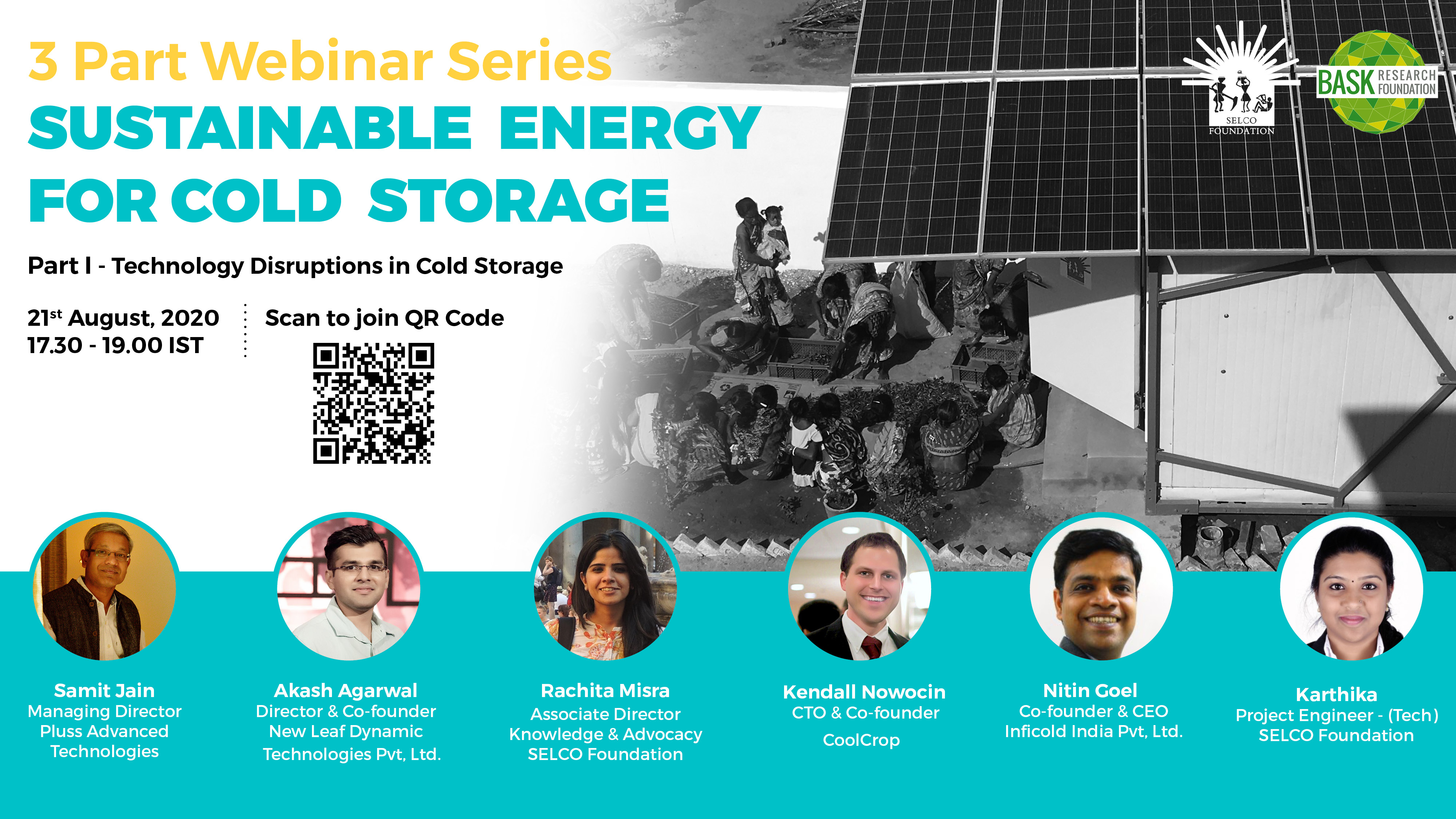
The SELCO Foundation and CEEP conducted an online session on sustainable energy for cold storage, addressing the farm crisis by creating Decentralised Productive Assets. The session highlighted the importance of innovative, efficient cooling technologies and their role in achieving multiple SDGs, especially in heat-stress and drought-prone areas. The discussion emphasised the need for holistic solutions, including inclusive financing, capacity building, and collaboration between institutions and governance bodies.
CEEP, ESYA Centre, and Indicc Associates collaboratively organised a roundtable on the Electricity (Amendment) Bill 2020, addressing legacy issues and moderating energy transition. The event explored regulatory challenges, consumer rights, and the evolving energy distribution landscape amidst the rise of renewables and ageing thermal assets. Industry experts and thought leaders shared insights, fostering informed advocacy and innovative approaches for a sustainable power sector.
Grid Se Ghar Tak is a training series by CEEP, in collaboration with RERC, to educate Rajasthan's electricity consumers on governance, rights, and responsibilities while fostering active participation in shaping a robust and consumer-focused power sector. The inaugural workshop happened in February 2023, and introduced the electricity sector, its challenges, policies, and citizen engagement to 46 participants, attending both in-person and virtually.
A roundtable was organised by CBGA, BARC, and CEEP to discuss the potential of climate-responsive budgeting for climate change mitigation. Findings from CEEP’s research on public financing for clean energy in Rajasthan were shared, highlighting mapped policies, climate-relevant programmes, and social welfare schemes. The event explored opportunities and challenges in accelerating low-carbon development in Rajasthan’s power sector.
A collaboration between CEEP, CER IIT Kanpur, and CUTS International, this event forecasted electricity demand at the state and district levels for 2030 and 2050. A one-day training program was held for Rajasthan's power sector utilities on long-term demand forecasting, planning methodologies, and resource adequacy. The workshop, inaugurated by Dr B. N. Sharma, ex-chairman of RERC, emphasised the complexities of forecasting and its role in planning generation, transmission, and distribution capacities.
A collaboration between CEEP, CER IIT Kanpur, and CUTS International, it aimed to forecast electricity demand in Rajasthan at the state and district levels for 2030 and 2050. A half-day training workshop was organised for CSOs to build their capacity in long-term demand forecasting, power planning, and understanding the impact of poor planning on consumer tariffs. Anshuman Gothwal highlighted the significance of accurate forecasting in optimising capacity expansion, infrastructure development, and power purchase requirements for utilities. The workshop emphasised CSOs' role in influencing electricity planning and tariff issues. The session concluded with a feedback session, where participants stressed the need for continued engagement to enhance consumer participation in the power sector.
Rajasthan Electricity Regulatory Commission's (RERC) 2021 discussion paper on "Framework for Large Scale Integration of Renewable Energy using Energy Storage Systems and its Impact on Tariffs" aligns with India's net-zero emissions targets by 2050, emphasising the need for policy and innovation to deploy clean energy technologies. In this context, the Centre for Energy, Environment, and People (CEEP) organised a webinar on "Regulatory Framework for Utility-Scale Energy Storage Systems in Rajasthan." The event proposed a regulatory framework to integrate energy storage systems across generation, transmission, and distribution, addressing Rajasthan's renewable energy (RE) integration challenges.
RERC’s draft regulations on grid-interactive distributed renewable energy raised serious concerns among solar rooftop developers and civil society organisations. To address these, CEEP and the Centre for Energy and Environment (MNIT, Jaipur) organised a roundtable where representatives from leading policy and research organisations, along with industry experts, discussed key stakeholder issues. Participants highlighted the potential social and economic impacts of the proposed regulations, particularly on SMEs and local employment. Stakeholders' views were submitted to the Commission, urging the adoption of a fair regulatory framework to promote solar rooftop systems in Rajasthan.
The third webinar in the series by SELCO Foundation and CEEP focused on sustainable energy for cold storage and just transition. It highlighted how inadequate storage infrastructure hampers farmers' bargaining power and their ability to secure fair prices for their produce. The session concluded that cold storage finance should combine grants and loans, as farm produce aggregators struggle to reach break-even within four years.
The second webinar in the "Sustainable Energy for Cold Storage" series, conducted by SELCO Foundation and CEEP, focused on viable business models for cold storage. It highlighted challenges in cold chain storage capacity, financing, and infrastructure, particularly for small farmers. The session also explored policy implications, technology innovations, and business models aiming to disrupt the ecosystem for the benefit of small and marginal farmers.
The SELCO Foundation and CEEP conducted an online session on sustainable energy for cold storage, addressing the farm crisis by creating Decentralised Productive Assets. The session highlighted the importance of innovative, efficient cooling technologies and their role in achieving multiple SDGs, especially in heat-stress and drought-prone areas. The discussion emphasised the need for holistic solutions, including inclusive financing, capacity building, and collaboration between institutions and governance bodies.
CEEP, ESYA Centre, and Indicc Associates collaboratively organised a roundtable on the Electricity (Amendment) Bill 2020, addressing legacy issues and moderating energy transition. The event explored regulatory challenges, consumer rights, and the evolving energy distribution landscape amidst the rise of renewables and ageing thermal assets. Industry experts and thought leaders shared insights, fostering informed advocacy and innovative approaches for a sustainable power sector.
Please ensure all required fields (*) are filled out accurately.