

Building democratic energy systems
Energy governance drives investments and infrastructure to meet the energy needs of both the present and the future. Sectoral decisions have direct implications for equity, growth, and the sustainability of society. The energy sector is inherently complex due to its technical nature, legal frameworks, and market structure. At CEEP, we focus on addressing these systemic inefficiencies and structural inequities.
We work to make governance processes more accessible and transparent for a wide spectrum of stakeholders, shedding light on their drivers and consequences. By doing so, we empower citizens, communities, workers, and institutions to engage meaningfully in shaping energy systems that prioritise equity, inclusivity, and environmental stewardship.



Rigorous evidence forms the foundation for meaningful change. Our research identifies systemic inefficiencies, examines inequities, and generates insights to guide policies and practices that promote energy justice.

Addressing complex energy challenges requires bringing together diverse perspectives. Our workshops, panel discussions, and forums create inclusive spaces for stakeholders to exchange ideas, debate issues, and explore solutions.

We bridge gaps in understanding by sharing findings through webinars, training sessions, and capacity-building workshops. These efforts equip individuals and communities with the tools to engage effectively in decision-making processes.

We anchor networks on critical issues such as inclusive renewable energy, labour rights, and electricity governance. These help stakeholders identify actionable safeguards and interventions while aligning shared agendas for collective advocacy.

Collaborations with individuals, grassroots groups, and organisations drive ground-up advocacy. These partnerships build solidarity and ensure that voices often excluded from policy spaces contribute meaningfully to systemic change.
As of March 2025
We engage people and institutions to drive meaningful change in energy governance.

Building awareness and knowledge equips citizens to lead conversations on energy governance in their contexts.
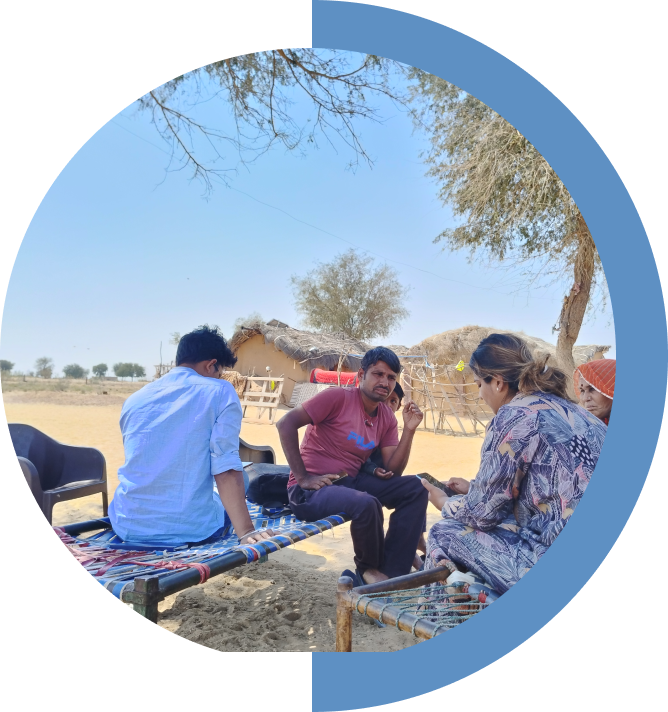
Centering their experiences and priorities ensures communities are effectively represented in energy transitions.

Dialogue and collective advocacy help workers secure their rights and safeguard livelihoods.

Partnering with leaders from government, civil society, and grassroots networks enhances their capacity to drive impactful change.
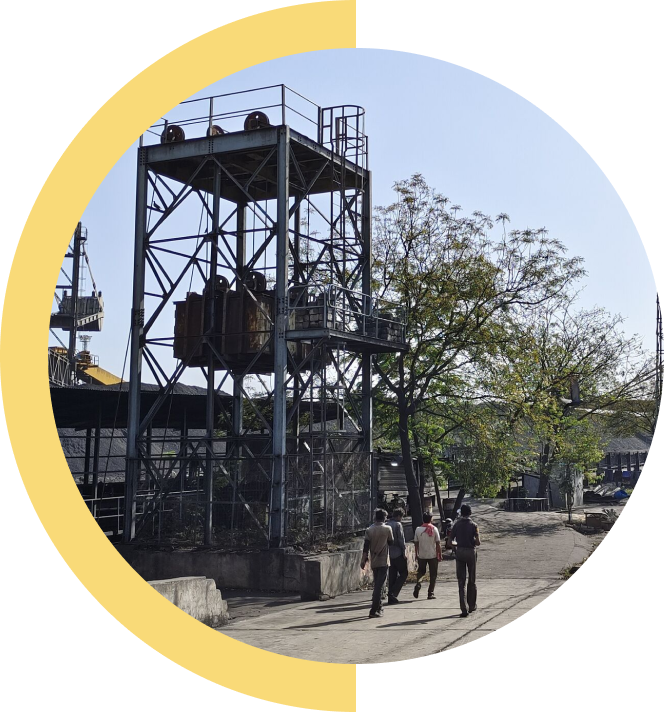
Collaborating with utilities, regulators, and organisations fosters coordinated and inclusive action.
Advancing consumer-centric policies and transparent governance in the electricity sector
Learn MoreEnabling an inclusive and fair energy transition to secure a dignified life for impacted workers and communities
Learn MorePromoting decarbonisation of sectors through policy support and technical assistance to institutions
Learn MoreAdvocating for sustainable renewable energy deployment that safeguards the interests of communities and ecology
Learn MoreAdvancing consumer-centric policies and transparent governance in the electricity sector
Learn MoreEnabling an inclusive and fair energy transition to secure a dignified life for impacted workers and communities
Learn MorePromoting decarbonisation of sectors through policy support and technical assistance to institutions
Learn MoreAdvocating for sustainable renewable energy deployment that safeguards the interests of communities and ecology
Learn MoreThis report seeks to inform the Just Energy Transition discourse by centering the experiences of those impacted. Through a case study of the Kota Super Thermal Power Station in Rajasthan, it explores the intersections between a thermal power plant and the local economy. It further proposes a multi-dimensional approach to understanding workers' capacity to navigate the energy transition and underscores the imperative of immediate interventions to build resilience for the future.

Please ensure all required fields (*) are filled out accurately.