

A collaboration between CEEP, CER IIT Kanpur, and CUTS International, it aimed to forecast electricity demand in Rajasthan at the state and district levels for 2030 and 2050. A half-day training workshop was organised for CSOs to build their capacity in long-term demand forecasting, power planning, and understanding the impact of poor planning on consumer tariffs. Anshuman Gothwal highlighted the significance of accurate forecasting in optimising capacity expansion, infrastructure development, and power purchase requirements for utilities. The workshop emphasised CSOs' role in influencing electricity planning and tariff issues. The session concluded with a feedback session, where participants stressed the need for continued engagement to enhance consumer participation in the power sector.
‘Rajasthan Electricity Demand Scenarios 2030 | 2050’ was a joint project organised by Centre for Energy, Environment and People (CEEP, formerly known as Bask Research Foundation), Centre for Energy Regulations (CER) IIT Kanpur, and CUTS International. The outcome of this project is to forecast the electricity demand of Rajasthan at the state and district level for the years 2030 and 2050.
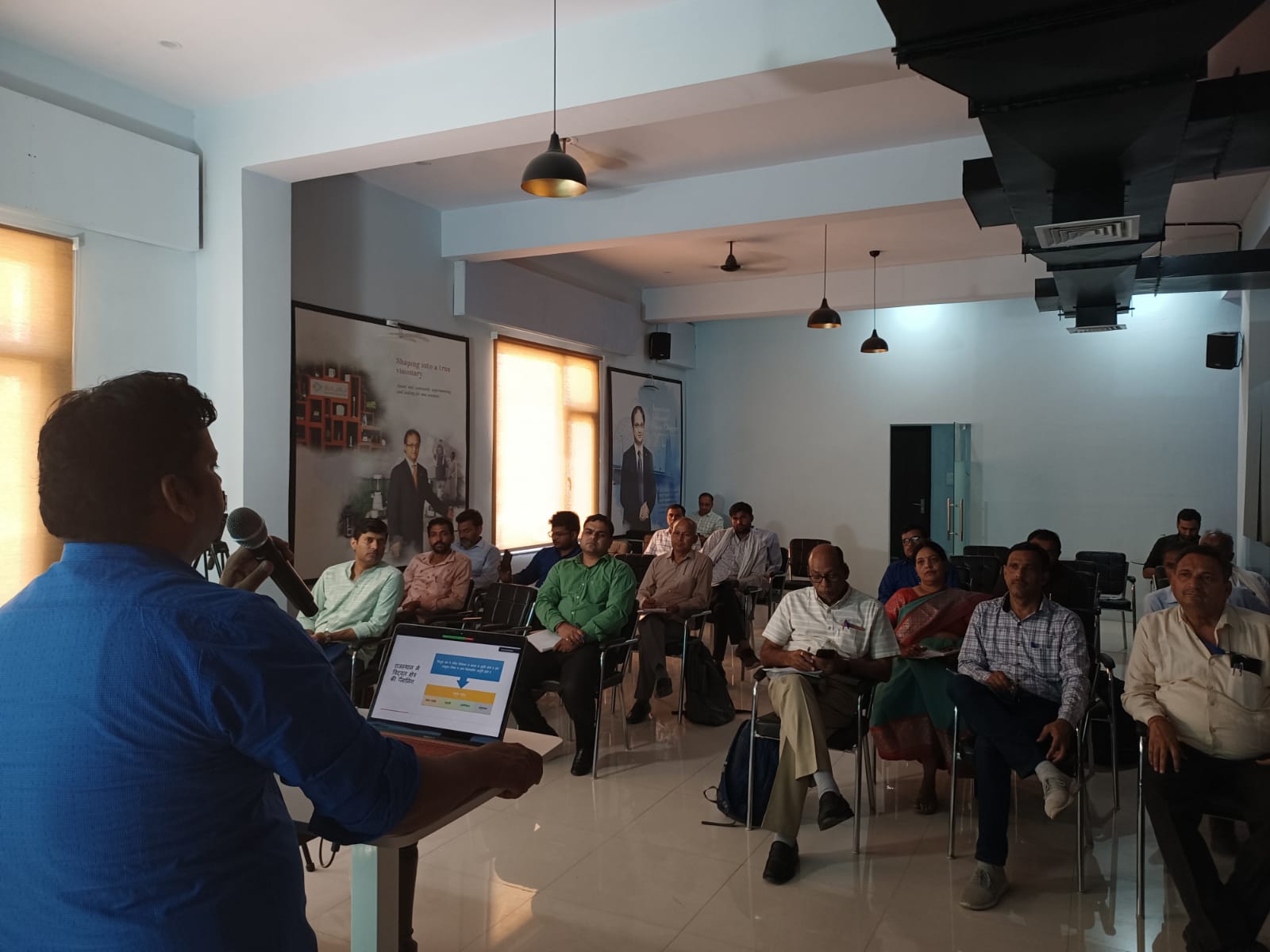
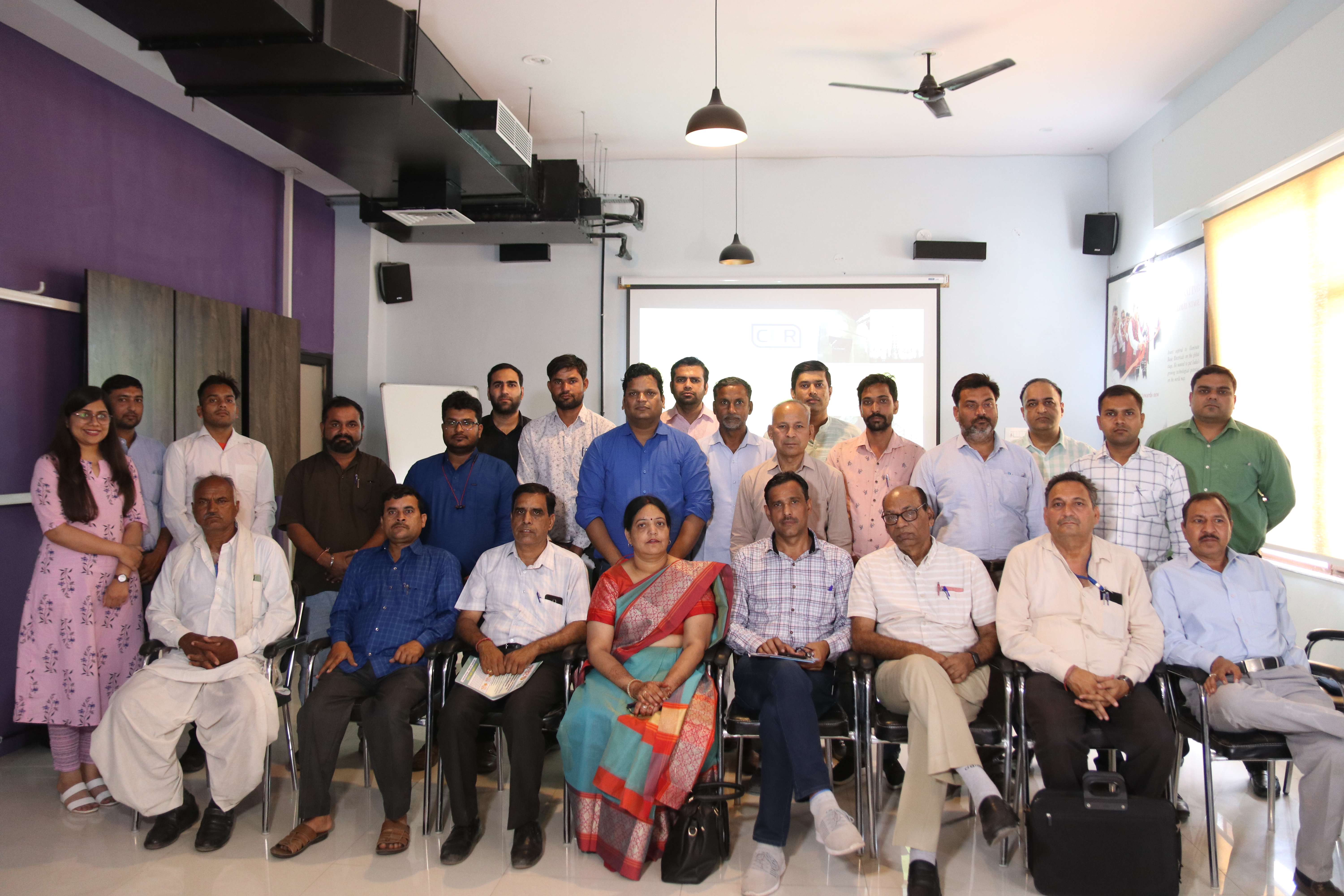
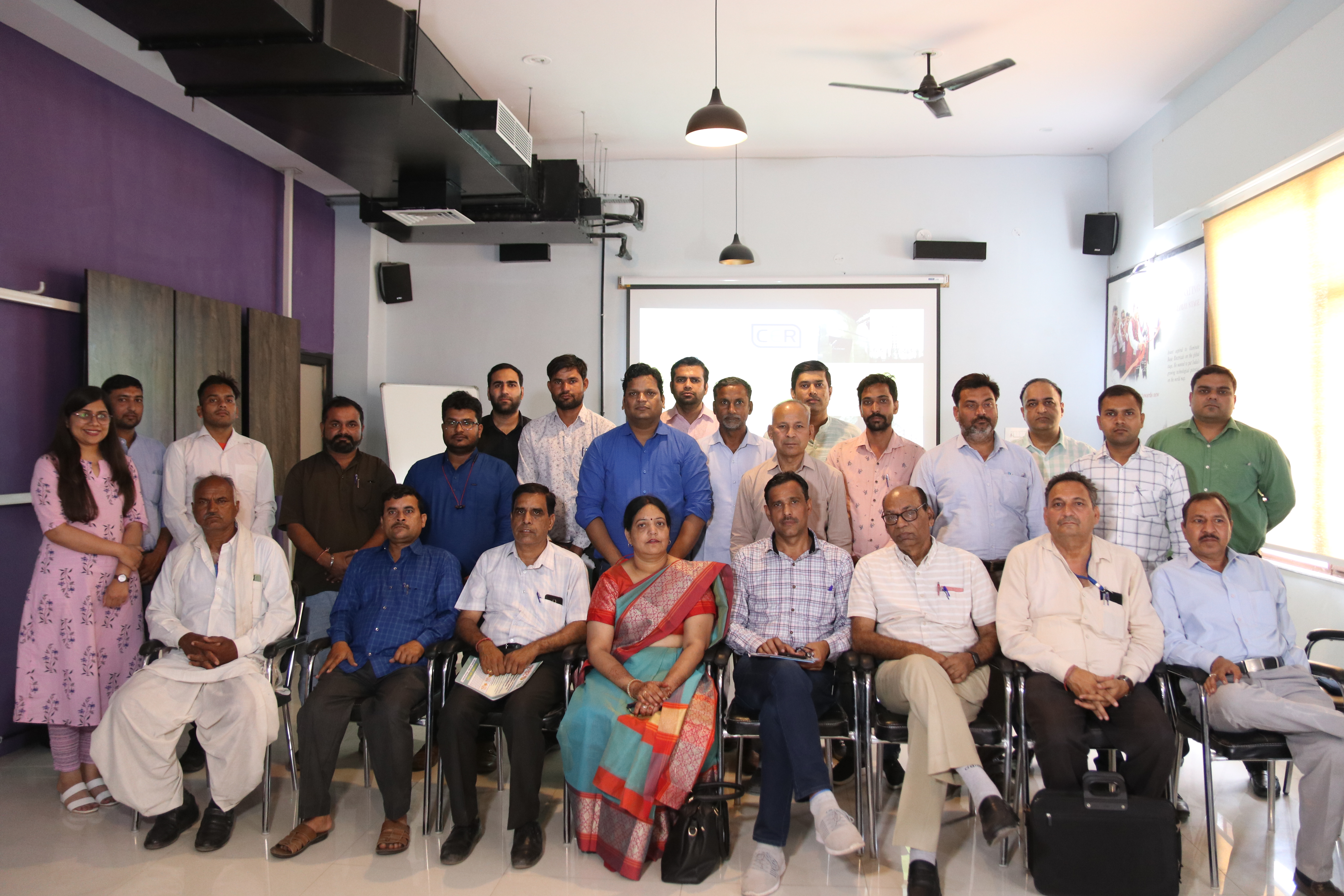
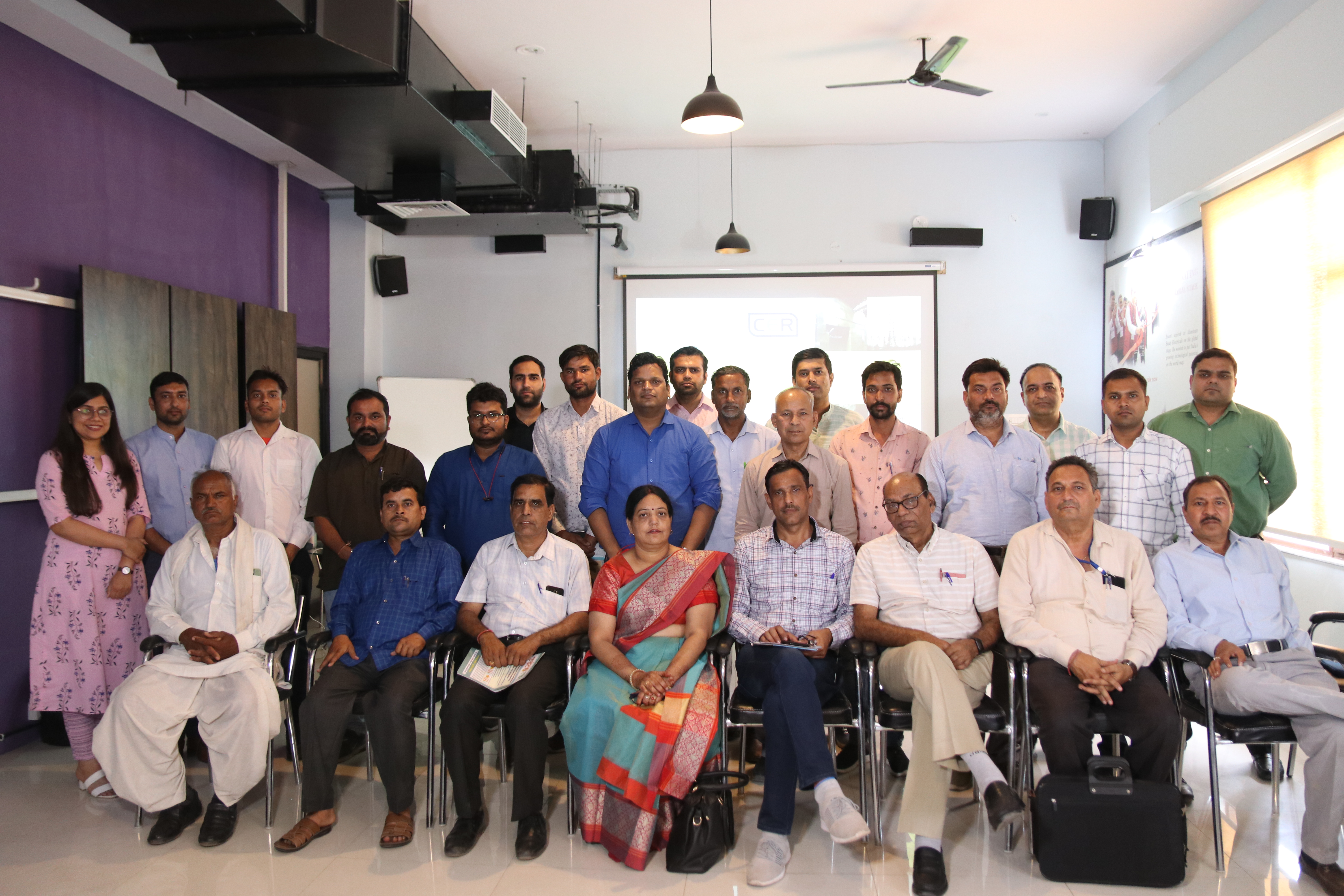
A training workshop was organised for Civil Society Organisations to build their capacity on long-term demand forecasting, power planning, and the impact of poor planning on consumer tariffs. During this half-day workshop, the participants gained a broader perspective of the electricity sector of Rajasthan and factors impacting the electricity tariffs.
Anshuman Gothwal, in his introductory remarks, talked about the importance of electricity demand forecasting and the need for accurate forecasting. He mentioned that accurate demand forecasting helps the utilities plan for optimal capacity expansion of the system and for infrastructure development. Also, it helps distribution companies (DISCOMs) prepare for their power purchase requirements in the future. He particularly emphasised that the workshop focuses on building the capacity of the participants about the long-term power planning scenario in Rajasthan and the impact of poor planning on electricity tariff rates. He highlighted the role of CSOs and the impact of their participation during various public hearings by the state commission. He emphasised the need of collective action on planning related issues related in power sector of Rajasthan.
A collaboration between CEEP, CER IIT Kanpur, and CUTS International, it aimed to forecast electricity demand in Rajasthan at the state and district levels for 2030 and 2050. A half-day training workshop was organised for CSOs to build their capacity in long-term demand forecasting, power planning, and understanding the impact of poor planning on consumer tariffs. Anshuman Gothwal highlighted the significance of accurate forecasting in optimising capacity expansion, infrastructure development, and power purchase requirements for utilities. The workshop emphasised CSOs' role in influencing electricity planning and tariff issues. The session concluded with a feedback session, where participants stressed the need for continued engagement to enhance consumer participation in the power sector.
‘Rajasthan Electricity Demand Scenarios 2030 | 2050’ was a joint project organised by Centre for Energy, Environment and People (CEEP, formerly known as Bask Research Foundation), Centre for Energy Regulations (CER) IIT Kanpur, and CUTS International. The outcome of this project is to forecast the electricity demand of Rajasthan at the state and district level for the years 2030 and 2050.
A training workshop was organised for Civil Society Organisations to build their capacity on long-term demand forecasting, power planning, and the impact of poor planning on consumer tariffs. During this half-day workshop, the participants gained a broader perspective of the electricity sector of Rajasthan and factors impacting the electricity tariffs.
Anshuman Gothwal, in his introductory remarks, talked about the importance of electricity demand forecasting and the need for accurate forecasting. He mentioned that accurate demand forecasting helps the utilities plan for optimal capacity expansion of the system and for infrastructure development. Also, it helps distribution companies (DISCOMs) prepare for their power purchase requirements in the future. He particularly emphasised that the workshop focuses on building the capacity of the participants about the long-term power planning scenario in Rajasthan and the impact of poor planning on electricity tariff rates. He highlighted the role of CSOs and the impact of their participation during various public hearings by the state commission. He emphasised the need of collective action on planning related issues related in power sector of Rajasthan.
Anshuman, an engineer-turned-public policy researcher, is the co-founder of the Centre for Energy and Environmental Policy (CEEP). Drawing on extensive experience in the power sector, he specialises in regulatory economics, utility operations, and decarbonisation strategies. His work focuses on sectoral governance reforms, energy transition complexities, and institutional transformation, striving for the integration of economic growth with energy equity, justice, and sustainability. Anshuman envisions a governance framework rooted in humanitarian values that prioritises the voices of the most vulnerable.
Anshuman, an engineer-turned-public policy researcher, is the co-founder of the Centre for Energy and Environmental Policy (CEEP). Drawing on extensive experience in the power sector, he specialises in regulatory economics, utility operations, and decarbonisation strategies. His work focuses on sectoral governance reforms, energy transition complexities, and institutional transformation, striving for the integration of economic growth with energy equity, justice, and sustainability. Anshuman envisions a governance framework rooted in humanitarian values that prioritises the voices of the most vulnerable.

The Centre for Energy Regulation (CER) at IIT Kanpur is India’s first dedicated initiative for regulatory research in the energy sector, aiming to strengthen institutions, foster academia-utility-regulatory collaboration, and support policy advocacy through data-driven research and stakeholder engagement.

CUTS International (Consumer Unity & Trust Society) began its journey in 1983 in Rajasthan with Gram Gadar—a monthly wall newspaper that emerged from a rural development communication initiative. Serving as a voice for the marginalised, it has consistently provided a platform for justice. Reflecting on Gram Gadar, former UNCTAD Secretary-General Rubens Ricupero remarked, “It confirmed my view that often the simple lack of awareness lies at the root of so much misery.”
Date: 08 Apr, 2022
Time: 10:00 AM - 2:00 PM
Venue: Anant Bajaj Limitless Ideas Hub, Sudarshan Pura, Bais Godam, Jaipur
| Time | Event | Speaker |
|---|---|---|
| 10:00 – 10:30 am | Registration and Breakfast | |
| 10:30 – 10:45 am | Opening Remarks and Introduction to Electricity Demand Forecasting | Anshuman Gothwal, CEEP |
| 10:45 – 11:15 am | Session I: Electricity Tariff and Power Purchase | Anshuman Gothwal, CEEP |
| 11:15 – 11:45 am | Session II: Rajasthan: Existing scenarios, Framework, Power Portfolio and Latest Developments in Power Sector | Sakshi Gupta, CEEP |
| 11:45 – 12:00 pm | Tea Break | |
| 12:00 – 12:30 pm | Session III: Power Sector Planning and Decision Making | Anshuman Gothwal, CEEP |
| 12:30 – 01:00 pm | Session IV: Open House Discussion | Anshuman Gothwal, CEEP |
| 01:00 – 01:10 pm | Session V: Feedback Form | |
| 01:10 – 01:20 pm | Way Forward & Closing Remarks | Anshuman Gothwal, CEEP |
| 01:20 pm Onwards | Lunch |
Please ensure all required fields (*) are filled out accurately.