


Rajasthan Electricity Regulatory Commission's (RERC) 2021 discussion paper on "Framework for Large Scale Integration of Renewable Energy using Energy Storage Systems and its Impact on Tariffs" aligns with India's net-zero emissions targets by 2050, emphasising the need for policy and innovation to deploy clean energy technologies. In this context, the Centre for Energy, Environment, and People (CEEP) organised a webinar on "Regulatory Framework for Utility-Scale Energy Storage Systems in Rajasthan." The event proposed a regulatory framework to integrate energy storage systems across generation, transmission, and distribution, addressing Rajasthan's renewable energy (RE) integration challenges.
Energy transition has taken a fast pace with India announcing its net zero emissions targets by 2050. To reach its targets, suitable policy, and innovation driven context to deploy clean energy technologies is needed. Rajasthan Electricity Regulatory Commission's 2021 discussion paper on "Framework for Large Scale Integration of Renewable Energy using Energy Storage Systems and its Impact on Tariffs" aligns with this goal.
In line with this, Centre for Energy, Environment and People (formerly known as Bask Research) conducted a webinar on ‘Regulatory Framework for utility scale energy storage systems in Rajasthan’ proposing a possible regulatory framework for integrating utility scale energy storage systems at all three verticals of power sector namely generation, transmission, and distribution in Rajasthan.
Rajasthan faces significant challenges in integrating renewable energy (RE) sources, such as solar and wind, into its grid. Thermal power plants operate at their technical minimum, and the state relies on purchasing peak power, emphasising the need for energy storage solutions to meet its 30GW RE capacity target by 2025. Effective storage mechanisms are critical for seamless RE integration, enhancing system flexibility, mitigating intermittency issues, and reducing energy procurement costs.
India's energy storage imperative is driven by technological advancements and supportive regulatory frameworks. Although energy storage systems are technologically mature, they are not yet commodities due to performance variability. Clear regulations are essential to build a strong business case for energy storage in India. Entities like POSOCO, SLDC, and CERC are exploring battery storage potential. As India emerges as a significant energy storage market, regulatory initiatives incentivising storage adoption will unlock benefits such as load curve flattening and efficient use of stored energy for peak power, fostering a resilient and sustainable energy future.
Rajasthan Electricity Regulatory Commission's (RERC) 2021 discussion paper on "Framework for Large Scale Integration of Renewable Energy using Energy Storage Systems and its Impact on Tariffs" aligns with India's net-zero emissions targets by 2050, emphasising the need for policy and innovation to deploy clean energy technologies. In this context, the Centre for Energy, Environment, and People (CEEP) organised a webinar on "Regulatory Framework for Utility-Scale Energy Storage Systems in Rajasthan." The event proposed a regulatory framework to integrate energy storage systems across generation, transmission, and distribution, addressing Rajasthan's renewable energy (RE) integration challenges.
Energy transition has taken a fast pace with India announcing its net zero emissions targets by 2050. To reach its targets, suitable policy, and innovation driven context to deploy clean energy technologies is needed. Rajasthan Electricity Regulatory Commission's 2021 discussion paper on "Framework for Large Scale Integration of Renewable Energy using Energy Storage Systems and its Impact on Tariffs" aligns with this goal.
In line with this, Centre for Energy, Environment and People (formerly known as Bask Research) conducted a webinar on ‘Regulatory Framework for utility scale energy storage systems in Rajasthan’ proposing a possible regulatory framework for integrating utility scale energy storage systems at all three verticals of power sector namely generation, transmission, and distribution in Rajasthan.
Rajasthan faces significant challenges in integrating renewable energy (RE) sources, such as solar and wind, into its grid. Thermal power plants operate at their technical minimum, and the state relies on purchasing peak power, emphasising the need for energy storage solutions to meet its 30GW RE capacity target by 2025. Effective storage mechanisms are critical for seamless RE integration, enhancing system flexibility, mitigating intermittency issues, and reducing energy procurement costs.
India's energy storage imperative is driven by technological advancements and supportive regulatory frameworks. Although energy storage systems are technologically mature, they are not yet commodities due to performance variability. Clear regulations are essential to build a strong business case for energy storage in India. Entities like POSOCO, SLDC, and CERC are exploring battery storage potential. As India emerges as a significant energy storage market, regulatory initiatives incentivising storage adoption will unlock benefits such as load curve flattening and efficient use of stored energy for peak power, fostering a resilient and sustainable energy future.
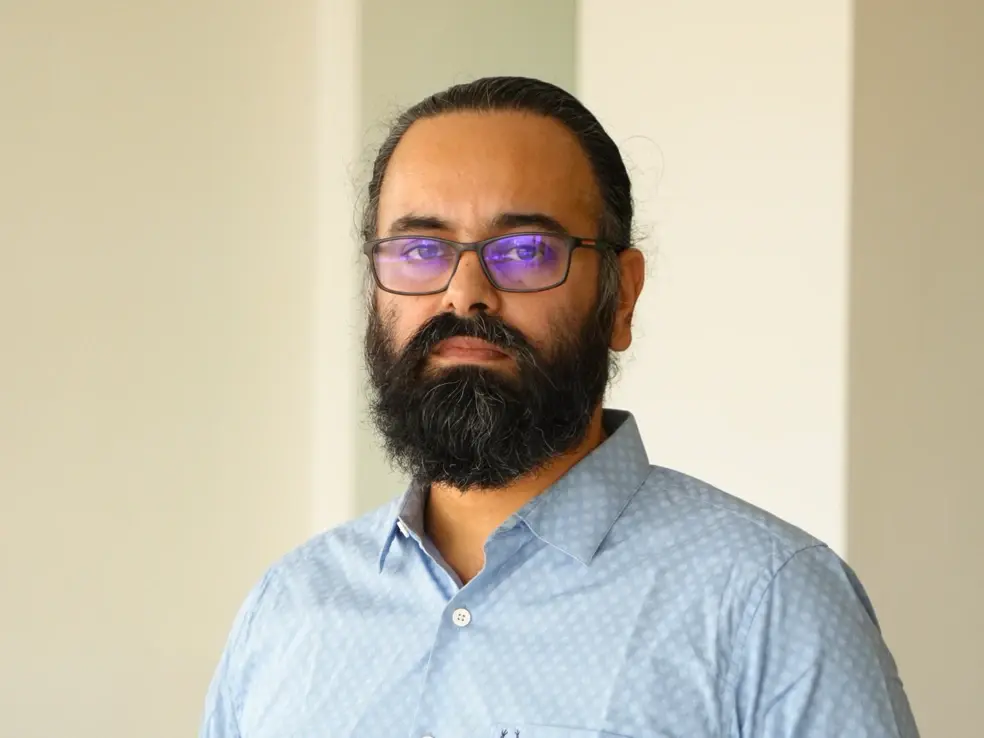
Simran Grover is the founder and CEO of the Centre for Energy, Environment, and People (CEEP), an initiative for energy equity and climate justice. The initiative is amongst the very few sub-national focused organisations in the country - enabling inclusion of diverse and marginal voices and meaningful action. He has substantive experience in the domains of renewable energy, power sector, applied research, and entrepreneurship. Currently, he leads critical work in just energy transition and power sector reforms, with emphasis on coalition building and collective action. He consistently writes on governance issues in the domain of electricity sector, energy transition, environment, and labour rights.
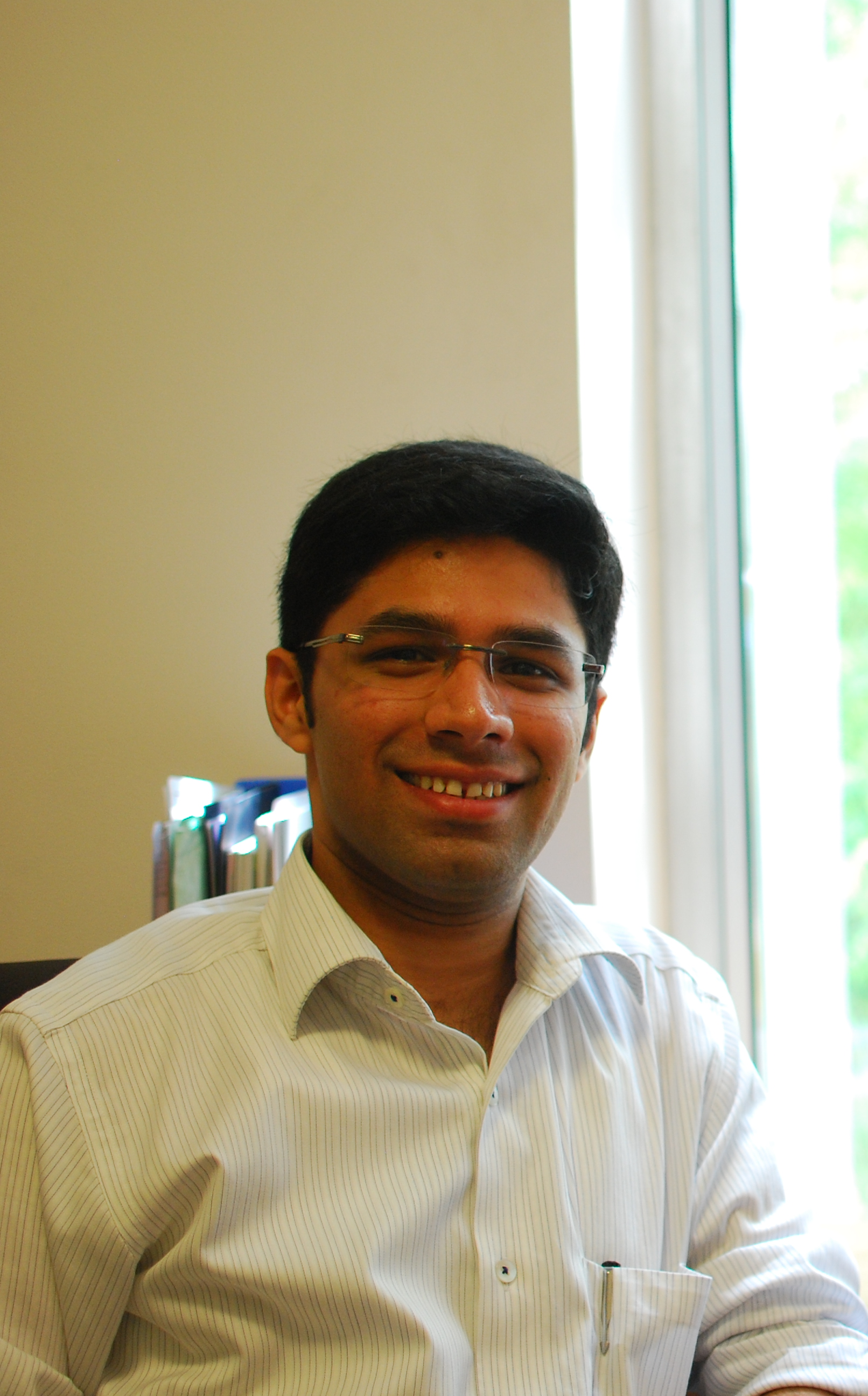
Aditya Ramji is currently an Economist with Mahindra and Mahindra Ltd., and has a specialisation in Energy and Development economics. His key areas of work have been energy policy, energy access, transportation and renewable energy, and climate risks. Prior to joining Mahindra and Mahindra, he has worked with two leading think tanks in India – the Council on Energy, Environment and Water (CEEW), and The Energy and Resources Institute (TERI), both based in New Delhi. He also currently serves as an Advisor, Bask Research Foundation, and was one of its Founding Directors. He is also a Visiting Faculty, and Advisor, Centre for Technology and Policy (CTaP), at the Indian Institute of Technology, Madras
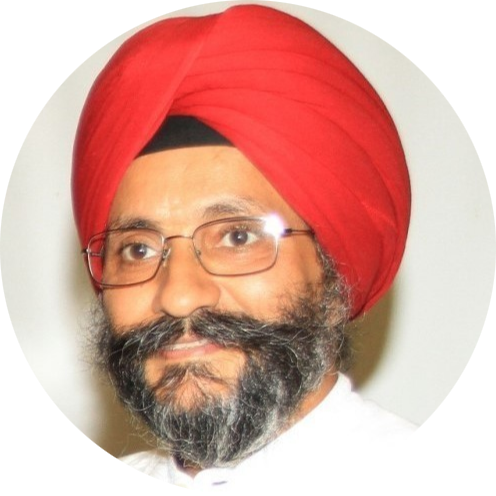
Dr. Anoop Singh is the founder of the Centre for Energy Regulation (CER) and Energy Analytics Lab (EAL) at IIT Kanpur. His research interests include Power /Energy Sector Regulation, Policy & Finance, Renewable Energy Policy & Regulation, Energy Pricing, Tariff Design, Energy Access, Project Financing, Energy Efficiency, Energy Economics, Climate Change, Cross-border Energy Cooperation. He has undertaken assignments with the ADB, the World Bank, the IEA, the UNCTAD, the UNU/IAS, the AIT, the University of Cambridge, the Planning Commission as well as the industry.
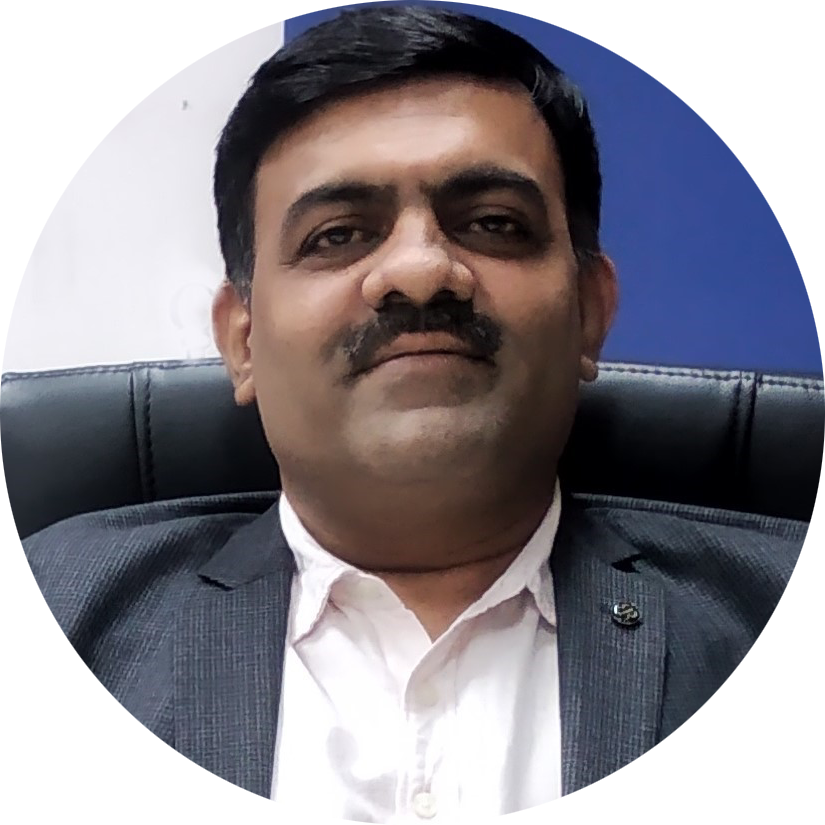
Dr. Nilesh Kane is an alumnus of Harvard Business School, and BEE certified Energy Auditor with 25 Years of Dynamic Experience in Electrical Operations and Technology ranging from conventional to non-conventional sources of Energy, Battery Energy storage system. He is currently working in the Operations Department of TATA Power-DDL as Business Head of Power Distribution and Heading Battery Energy Storage System. He has a Ph.D. in strategy and Power management.

Vishal Mittal is the Founder & CEO of Delectrik Systems Pvt. Ltd. The company develops Energy Storage systems based on Vanadium Redox Flow Battery Chemistry for Industrial, Commercial, and Utility-scale applications. He has over 18 years of experience in Research, Product Development, and Field Deployment in the field of Batteries and Fuel Cells. His prior work in Fuel Cells was at United Technologies and Nissan. He holds a Ph.D. in Chemical Engineering from the University of Connecticut, the USA, and a B.E. (Hons) in Chemical Engineering from BITS, Pilani, India.

Rupam Raja is the Market Director for Fluence in Asia Pacific Region. Fluence, a joint venture of Siemens and AES, is the market leader for grid-connected, MW scale battery storage with a presence in 22 countries around the world. He is responsible for the market development of battery storage in the region. He is associated with the 10MW 1 hour battery storage project developed by AES, Mitsubishi, and Tata Power in Delhi. He previously worked with an international environmental risk consultancy and for a private equity group for a global IPP.
Simran Grover is the founder and CEO of the Centre for Energy, Environment, and People (CEEP), an initiative for energy equity and climate justice. The initiative is amongst the very few sub-national focused organisations in the country - enabling inclusion of diverse and marginal voices and meaningful action. He has substantive experience in the domains of renewable energy, power sector, applied research, and entrepreneurship. Currently, he leads critical work in just energy transition and power sector reforms, with emphasis on coalition building and collective action. He consistently writes on governance issues in the domain of electricity sector, energy transition, environment, and labour rights.
Aditya Ramji is currently an Economist with Mahindra and Mahindra Ltd., and has a specialisation in Energy and Development economics. His key areas of work have been energy policy, energy access, transportation and renewable energy, and climate risks. Prior to joining Mahindra and Mahindra, he has worked with two leading think tanks in India – the Council on Energy, Environment and Water (CEEW), and The Energy and Resources Institute (TERI), both based in New Delhi. He also currently serves as an Advisor, Bask Research Foundation, and was one of its Founding Directors. He is also a Visiting Faculty, and Advisor, Centre for Technology and Policy (CTaP), at the Indian Institute of Technology, Madras
Dr. Anoop Singh is the founder of the Centre for Energy Regulation (CER) and Energy Analytics Lab (EAL) at IIT Kanpur. His research interests include Power /Energy Sector Regulation, Policy & Finance, Renewable Energy Policy & Regulation, Energy Pricing, Tariff Design, Energy Access, Project Financing, Energy Efficiency, Energy Economics, Climate Change, Cross-border Energy Cooperation. He has undertaken assignments with the ADB, the World Bank, the IEA, the UNCTAD, the UNU/IAS, the AIT, the University of Cambridge, the Planning Commission as well as the industry.
Dr. Nilesh Kane is an alumnus of Harvard Business School, and BEE certified Energy Auditor with 25 Years of Dynamic Experience in Electrical Operations and Technology ranging from conventional to non-conventional sources of Energy, Battery Energy storage system. He is currently working in the Operations Department of TATA Power-DDL as Business Head of Power Distribution and Heading Battery Energy Storage System. He has a Ph.D. in strategy and Power management.
Vishal Mittal is the Founder & CEO of Delectrik Systems Pvt. Ltd. The company develops Energy Storage systems based on Vanadium Redox Flow Battery Chemistry for Industrial, Commercial, and Utility-scale applications. He has over 18 years of experience in Research, Product Development, and Field Deployment in the field of Batteries and Fuel Cells. His prior work in Fuel Cells was at United Technologies and Nissan. He holds a Ph.D. in Chemical Engineering from the University of Connecticut, the USA, and a B.E. (Hons) in Chemical Engineering from BITS, Pilani, India.
Rupam Raja is the Market Director for Fluence in Asia Pacific Region. Fluence, a joint venture of Siemens and AES, is the market leader for grid-connected, MW scale battery storage with a presence in 22 countries around the world. He is responsible for the market development of battery storage in the region. He is associated with the 10MW 1 hour battery storage project developed by AES, Mitsubishi, and Tata Power in Delhi. He previously worked with an international environmental risk consultancy and for a private equity group for a global IPP.
Date: 02 Apr, 2021
Time: 4:00 AM - 5:30 PM
Venue: Online
| Time | Event | Speaker |
|---|---|---|
| 16:00 - 16:10 | Welcome Note | Simran Grover, Founder & CEO, Bask Research |
| 16:10 - 16:15 | Opening Remarks | Himanshu Khurana, Director (Technical), Rajasthan Electricity Regulatory Commission |
| 16:15 - 16:35 | Presentation on the Regulatory Framework Developed by Bask Research | Manideep Gudela, Senior Research Associate, Bask Research Moderator: Aditya Ramji, Advisor, Bask Research |
| 16:35 - 17:20 | Panel Discussion on Regulatory Framework for Utility-Scale ESS in Rajasthan | Panelists: 1. Dr. Anoop Singh, Founder & Coordinator, CER- IIT Kanpur 2. Nilesh Kane, Head (BESS), Tata Power - DDL 3. Rupam Raja, Market Director, Fluence Energy 4. Vishal Mittal, Founder & CEO, Delectrik Systems |
| 17:20 - 17:30 | Q&A | Reflections | Closing Remarks |
Please ensure all required fields (*) are filled out accurately.