

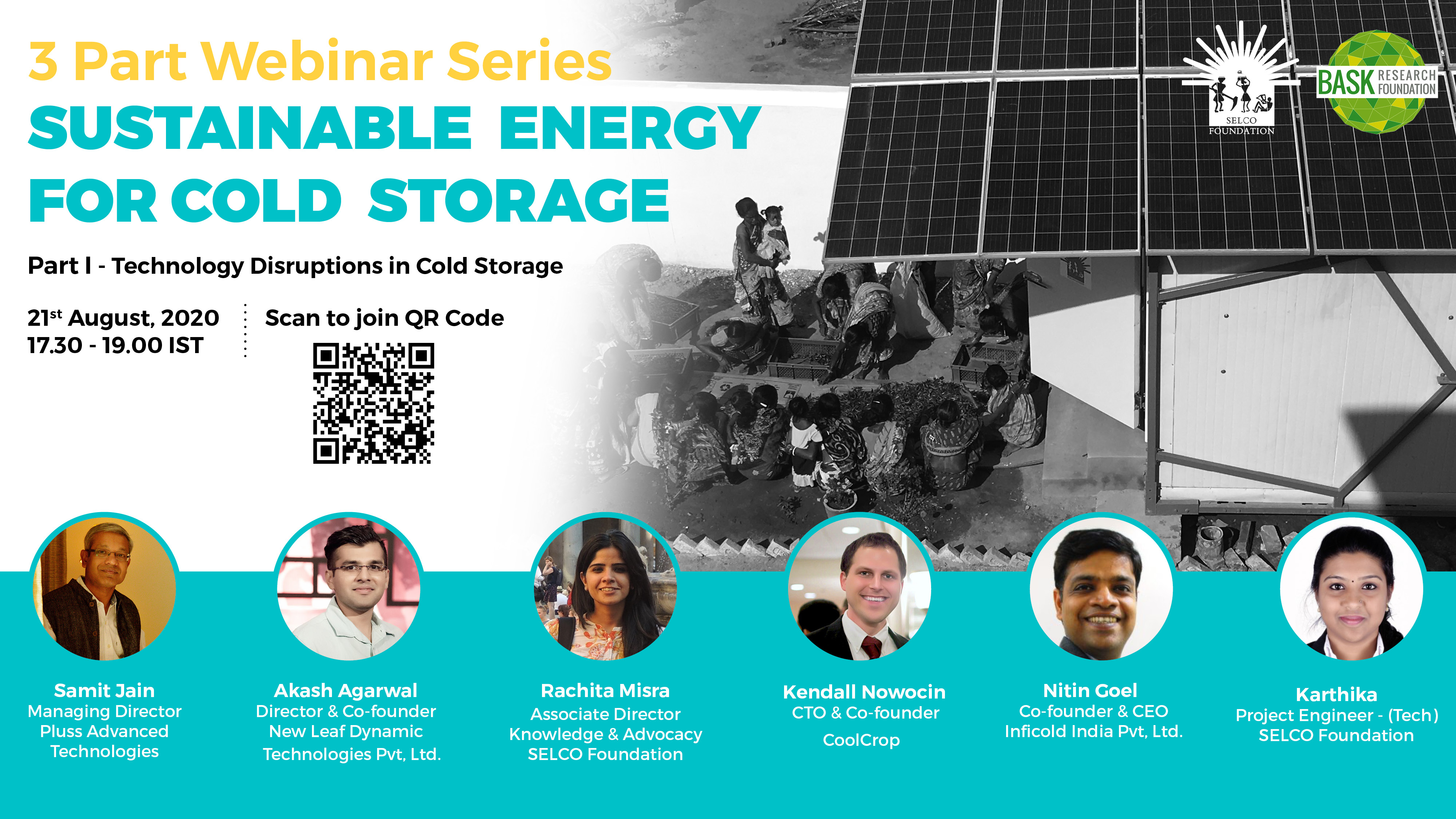
The SELCO Foundation and CEEP conducted an online session on sustainable energy for cold storage, addressing the farm crisis by creating Decentralised Productive Assets. The session highlighted the importance of innovative, efficient cooling technologies and their role in achieving multiple SDGs, especially in heat-stress and drought-prone areas. The discussion emphasised the need for holistic solutions, including inclusive financing, capacity building, and collaboration between institutions and governance bodies.
Climate-related factors like extensive heat and scanty rainfall are anticipated to cause increases in the prices of basic food items, especially in poor(er) countries. These changes will exacerbate the difficulties faced by the people, potentially leading to increased food insecurity and economic hardship. In Egypt, for example, experts have forecasted that rise in temperatures of two degrees Celsius may lead to a 15% loss in wheat production and Morocco’s wheat production will decrease sharply after 2030. On March 31, 2019, the India Meteorological Department (IMD) issued a similarly alarming statement - “Temperatures in most places in India have risen at least 3.1°C over normal levels. The highest (44.5°C) was recorded in Madhya Pradesh’s Khargone city on March 30th.”
Access to cooling is linked to the achievement of multiple Sustainable Development Goals (SDGs) - SDG 1, 2, 3, 7, 8, 9, 11, 12 and 13.
In heat-stress and drought-prone areas, it’s essential to adopt holistic and integrated solutions, which include providing training and capacity building for energy efficiency, implementing cooling technology, conducting needs assessments, and ensuring inclusive financing with the support of institutions and governance bodies.
The implementation strategies for access to cooling need to be looked at from an ecosystem approach, considering the collaboration between inclusive financial models, efficient technologies, policies, capacity-building programs, and necessary market linkages to make the cooling tech feasible and improve the cold chain.
Innovations in clean cold technologies and efficiency in cooling could provide cooling at lower environmental and financial costs. SELCO Foundation and the Centre for Energy, Environment and People (CEEP) conducted an online session on sustainable energy for cold storage addressing the farm crisis by creating Decentralised Productive Assets. The first part of the series focused on technology disruptions in cold storage.
The SELCO Foundation and CEEP conducted an online session on sustainable energy for cold storage, addressing the farm crisis by creating Decentralised Productive Assets. The session highlighted the importance of innovative, efficient cooling technologies and their role in achieving multiple SDGs, especially in heat-stress and drought-prone areas. The discussion emphasised the need for holistic solutions, including inclusive financing, capacity building, and collaboration between institutions and governance bodies.
Climate-related factors like extensive heat and scanty rainfall are anticipated to cause increases in the prices of basic food items, especially in poor(er) countries. These changes will exacerbate the difficulties faced by the people, potentially leading to increased food insecurity and economic hardship. In Egypt, for example, experts have forecasted that rise in temperatures of two degrees Celsius may lead to a 15% loss in wheat production and Morocco’s wheat production will decrease sharply after 2030. On March 31, 2019, the India Meteorological Department (IMD) issued a similarly alarming statement - “Temperatures in most places in India have risen at least 3.1°C over normal levels. The highest (44.5°C) was recorded in Madhya Pradesh’s Khargone city on March 30th.”
Access to cooling is linked to the achievement of multiple Sustainable Development Goals (SDGs) - SDG 1, 2, 3, 7, 8, 9, 11, 12 and 13.
In heat-stress and drought-prone areas, it’s essential to adopt holistic and integrated solutions, which include providing training and capacity building for energy efficiency, implementing cooling technology, conducting needs assessments, and ensuring inclusive financing with the support of institutions and governance bodies.
The implementation strategies for access to cooling need to be looked at from an ecosystem approach, considering the collaboration between inclusive financial models, efficient technologies, policies, capacity-building programs, and necessary market linkages to make the cooling tech feasible and improve the cold chain.
Innovations in clean cold technologies and efficiency in cooling could provide cooling at lower environmental and financial costs. SELCO Foundation and the Centre for Energy, Environment and People (CEEP) conducted an online session on sustainable energy for cold storage addressing the farm crisis by creating Decentralised Productive Assets. The first part of the series focused on technology disruptions in cold storage.
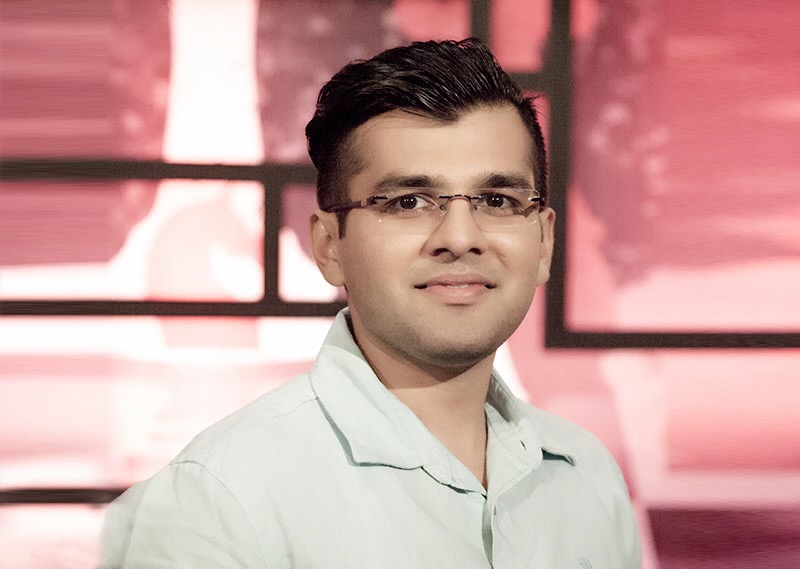
With a passion for making a difference in the farming community, Akash Agarwal has spent the past few years traveling across remote villages in five states to understand market demand and the adaptation cycle for micro and small cold storages. Recognising the challenges in the evolving energy and agriculture sectors, they led the development of a patented biomass-powered refrigeration technology for cold storage, ripening chambers, and pre-coolers, providing an off-grid, diesel-free solution to reduce post-harvest losses.

Karthika Sasidharan is a Program Manager for Technology Innovation at Global SDG7 Hubs, working at the intersection of energy access and sustainable development. With prior experience at SELCO Foundation, she has contributed to renewable energy solutions in agriculture and rural electrification. Karthika holds an M.Tech. in Power Systems from Christ University, Bangalore, a B.Tech. in Electrical & Electronics Engineering from Mahatma Gandhi University, and an M.Sc. in Electrical Power Engineering from Northumbria University, UK. Her expertise lies in advancing energy innovations to drive equitable access and climate resilience.
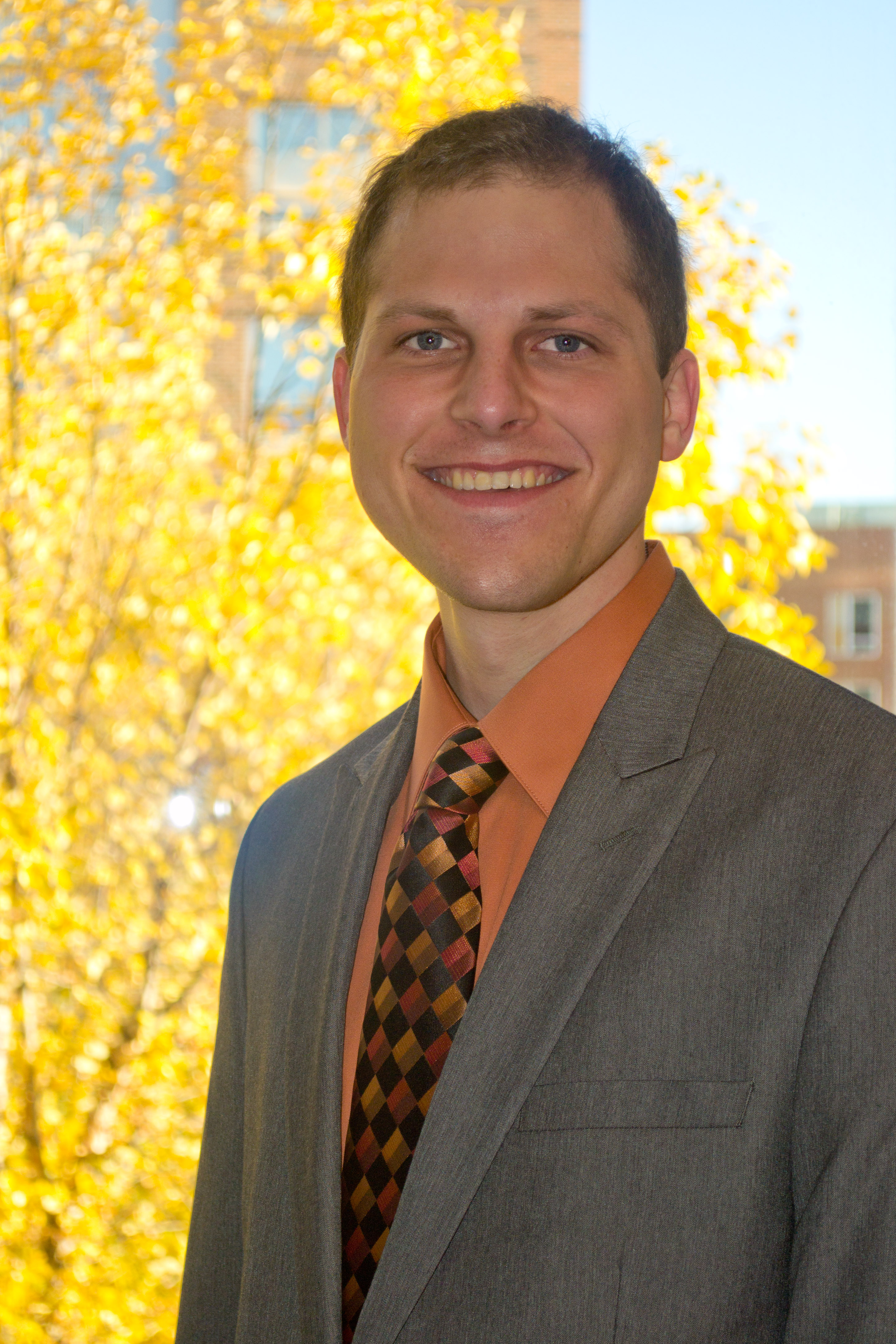
Mr. Nowocin is the CTO and Co-founder of CoolCrop, a social enterprise focused on agricultural technology and electricity access. He holds a PhD (2017) and a Master’s (2013) in Electrical Engineering from MIT, where he also served as Graduate Student Council President and spoke at MIT’s 2015 commencement. He earned his BS in Electrical Engineering from The Citadel in 2011. With expertise in power systems, he has worked on projects ranging from 10 kW residential setups to a 2.4 GW power plant. He has co-authored over 12 publications and holds two pending patents. A native of Charleston, South Carolina, he enjoys golfing, sailing, and cycling.
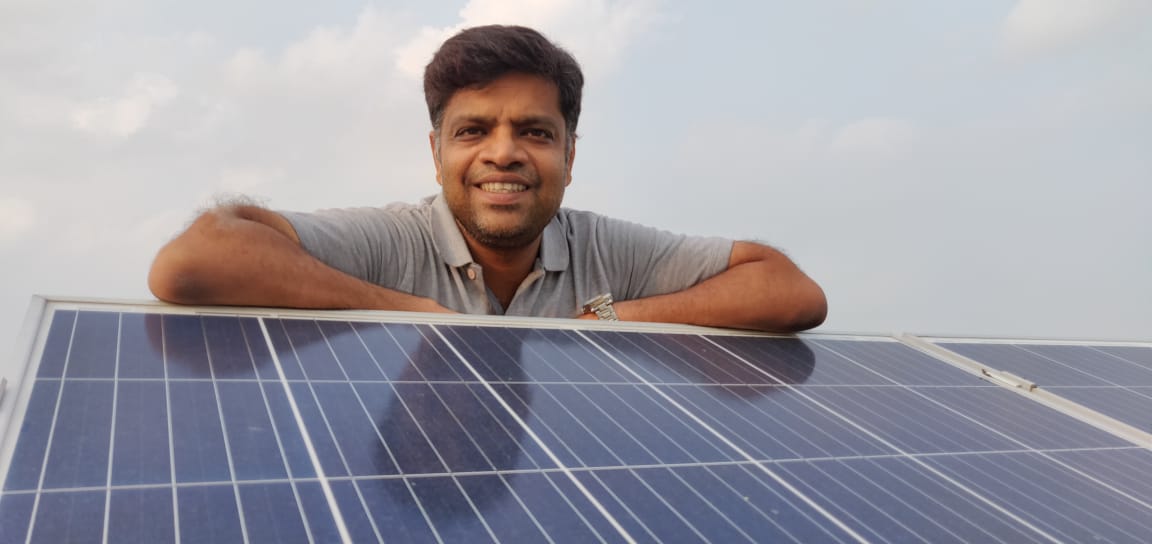
Dr. Nitin Goel is the Co-founder and CEO of Inficold India Pvt. Ltd., a leading provider of solar cooling solutions for cold storage, milk coolers, and air conditioning. He holds a BTech from IIT Bombay and a PhD in Mechanical Engineering from the University of Florida. With 15 years of experience in thermal sciences, solar energy, and refrigeration, his PhD research on solar absorption cold storage earned the Best Graduate Research Award from ASME. He has authored 20 journal papers, filed over 10 patents, and previously worked with Intel Corporation, SunBorne Energy, and Sheetak Energy. He has also contributed as a core technical member of the Ministry of New & Renewable Energy’s solar research committee.
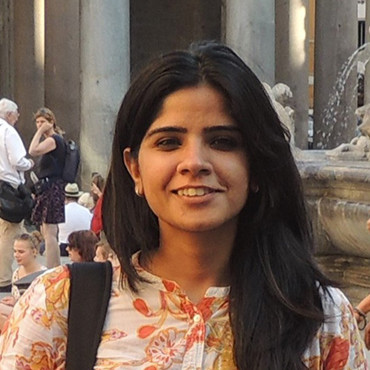
Rachita Misra is the Associate Director of Knowledge and Advocacy at SELCO Foundation, she has spent the last decade driving impactful initiatives in sustainable energy access, urban policy, and development planning. With a strong foundation in architecture and urban planning, her experience spans research roles at The London School of Economics and Political Science (LSE) and architectural projects focused on heritage conservation and inclusive development. Her expertise lies in shaping policies and interventions that bridge energy access with socio-economic equity.
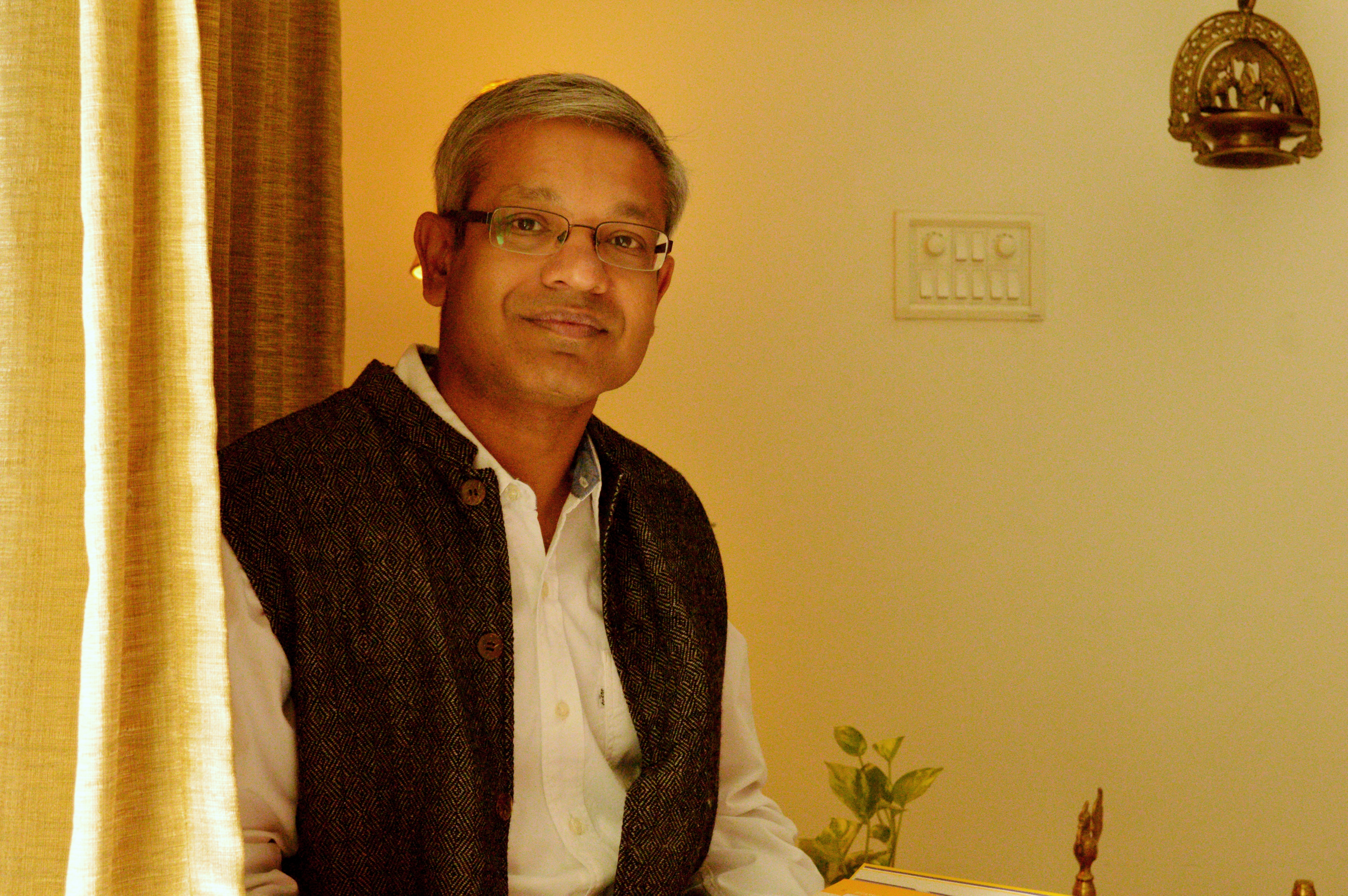
Samit Jain is the Managing Director of Pluss, leading its strategy, marketing, and finance to position the company as a global innovator in thermal energy storage. With a strong academic foundation, an M.Sc. (Hons.) in Physics and a Bachelor's (Hons.) in Electrical & Electronics Engineering from BITS Pilani, followed by an M.S. in Electrical Engineering from the University of Hawai’I, Samit began his career in network communications before shifting his focus to energy solutions. Under his leadership, Pluss has pioneered breakthrough energy storage products, including MiraCradle, the world’s first neonatal cooler, and Celsure, an advanced solution for pharmaceutical cold chain logistics. His commitment to sustainability and energy access has driven Pluss to develop cutting-edge materials, making it a leader in phase change and thermal energy storage technologies.
With a passion for making a difference in the farming community, Akash Agarwal has spent the past few years traveling across remote villages in five states to understand market demand and the adaptation cycle for micro and small cold storages. Recognising the challenges in the evolving energy and agriculture sectors, they led the development of a patented biomass-powered refrigeration technology for cold storage, ripening chambers, and pre-coolers, providing an off-grid, diesel-free solution to reduce post-harvest losses.
Karthika Sasidharan is a Program Manager for Technology Innovation at Global SDG7 Hubs, working at the intersection of energy access and sustainable development. With prior experience at SELCO Foundation, she has contributed to renewable energy solutions in agriculture and rural electrification. Karthika holds an M.Tech. in Power Systems from Christ University, Bangalore, a B.Tech. in Electrical & Electronics Engineering from Mahatma Gandhi University, and an M.Sc. in Electrical Power Engineering from Northumbria University, UK. Her expertise lies in advancing energy innovations to drive equitable access and climate resilience.
Mr. Nowocin is the CTO and Co-founder of CoolCrop, a social enterprise focused on agricultural technology and electricity access. He holds a PhD (2017) and a Master’s (2013) in Electrical Engineering from MIT, where he also served as Graduate Student Council President and spoke at MIT’s 2015 commencement. He earned his BS in Electrical Engineering from The Citadel in 2011. With expertise in power systems, he has worked on projects ranging from 10 kW residential setups to a 2.4 GW power plant. He has co-authored over 12 publications and holds two pending patents. A native of Charleston, South Carolina, he enjoys golfing, sailing, and cycling.
Dr. Nitin Goel is the Co-founder and CEO of Inficold India Pvt. Ltd., a leading provider of solar cooling solutions for cold storage, milk coolers, and air conditioning. He holds a BTech from IIT Bombay and a PhD in Mechanical Engineering from the University of Florida. With 15 years of experience in thermal sciences, solar energy, and refrigeration, his PhD research on solar absorption cold storage earned the Best Graduate Research Award from ASME. He has authored 20 journal papers, filed over 10 patents, and previously worked with Intel Corporation, SunBorne Energy, and Sheetak Energy. He has also contributed as a core technical member of the Ministry of New & Renewable Energy’s solar research committee.
Rachita Misra is the Associate Director of Knowledge and Advocacy at SELCO Foundation, she has spent the last decade driving impactful initiatives in sustainable energy access, urban policy, and development planning. With a strong foundation in architecture and urban planning, her experience spans research roles at The London School of Economics and Political Science (LSE) and architectural projects focused on heritage conservation and inclusive development. Her expertise lies in shaping policies and interventions that bridge energy access with socio-economic equity.
Samit Jain is the Managing Director of Pluss, leading its strategy, marketing, and finance to position the company as a global innovator in thermal energy storage. With a strong academic foundation, an M.Sc. (Hons.) in Physics and a Bachelor's (Hons.) in Electrical & Electronics Engineering from BITS Pilani, followed by an M.S. in Electrical Engineering from the University of Hawai’I, Samit began his career in network communications before shifting his focus to energy solutions. Under his leadership, Pluss has pioneered breakthrough energy storage products, including MiraCradle, the world’s first neonatal cooler, and Celsure, an advanced solution for pharmaceutical cold chain logistics. His commitment to sustainability and energy access has driven Pluss to develop cutting-edge materials, making it a leader in phase change and thermal energy storage technologies.
Please ensure all required fields (*) are filled out accurately.