
What is “Grid Se Ghar Tak”? What does the name signify?
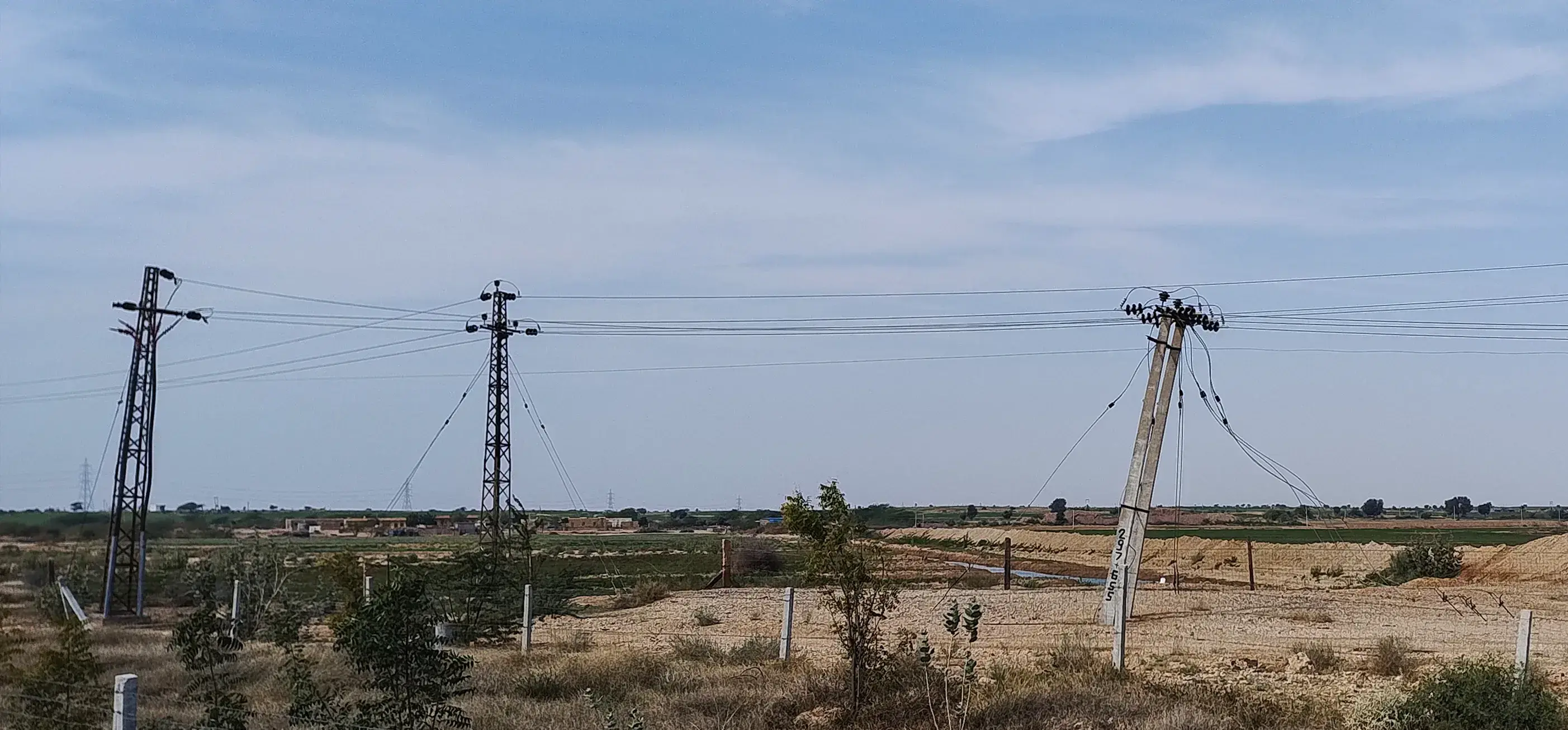
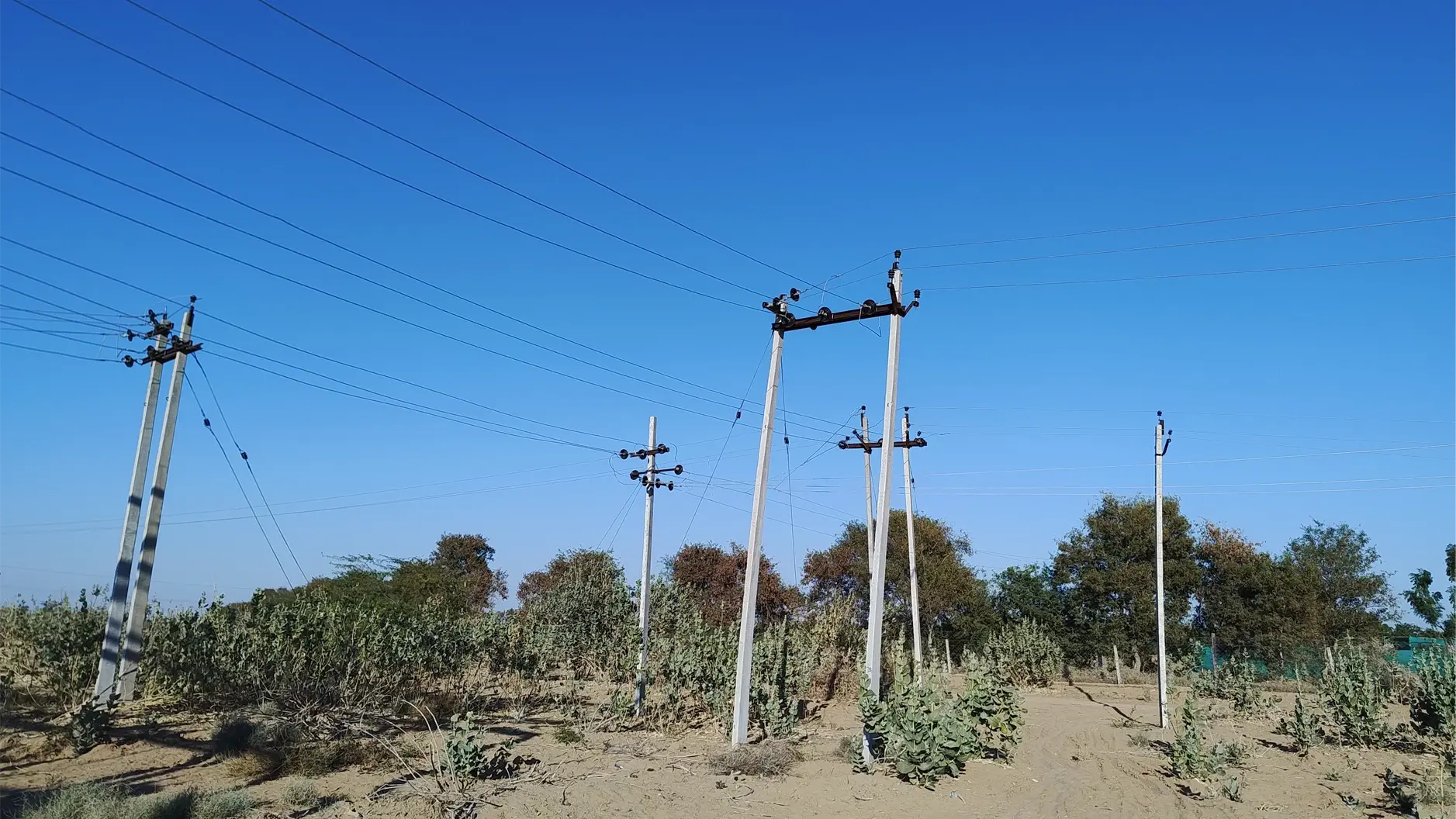
The series name underscores the vital link between the electricity grid and the household, focusing on regulatory frameworks that govern infrastructure, affordability, reliability, access, service quality, and consumer rights in the sector.
What prompted CEEP to initiate this effort?
The series emerged from a recognised gap in public awareness and capacity when it comes to electricity governance - that is, the systems, rules, and processes that determine how electricity is generated, distributed, priced and regulated. CEEP observed that while electricity influences livelihoods, education, mental well-being, and access to information, most consumers, including those from civil society and grassroots organisations, are not well-versed in the technical and regulatory frameworks that shape it. The limited awareness restricts substantive engagement in regulatory processes, such as tariff determination hearings, thereby weakening transparency and accountability within the sector
Grid Se Ghar Tak seeks to simplify these complexities and build capacity among citizens and organisations to engage more meaningfully with the sector.
Who is the programme intended for?
The workshops are designed for a wide range of electricity consumers across Rajasthan, including members of civil society organisations (CSO), utility staff, representatives from the Commission, journalists, students, and consumer advocates. These individuals are either directly affected by or play key roles in shaping electricity access and governance. For instance, by including CSOs, the initiative aims to create local champions who can further disseminate knowledge and support their communities. Engaging students, media professionals, and Commission representatives helps broaden public discourse and foster future expertise in the sector by deepening their understanding of consumer rights and regulatory principles.
What is the structure of the Grid Se Ghar Tak series?
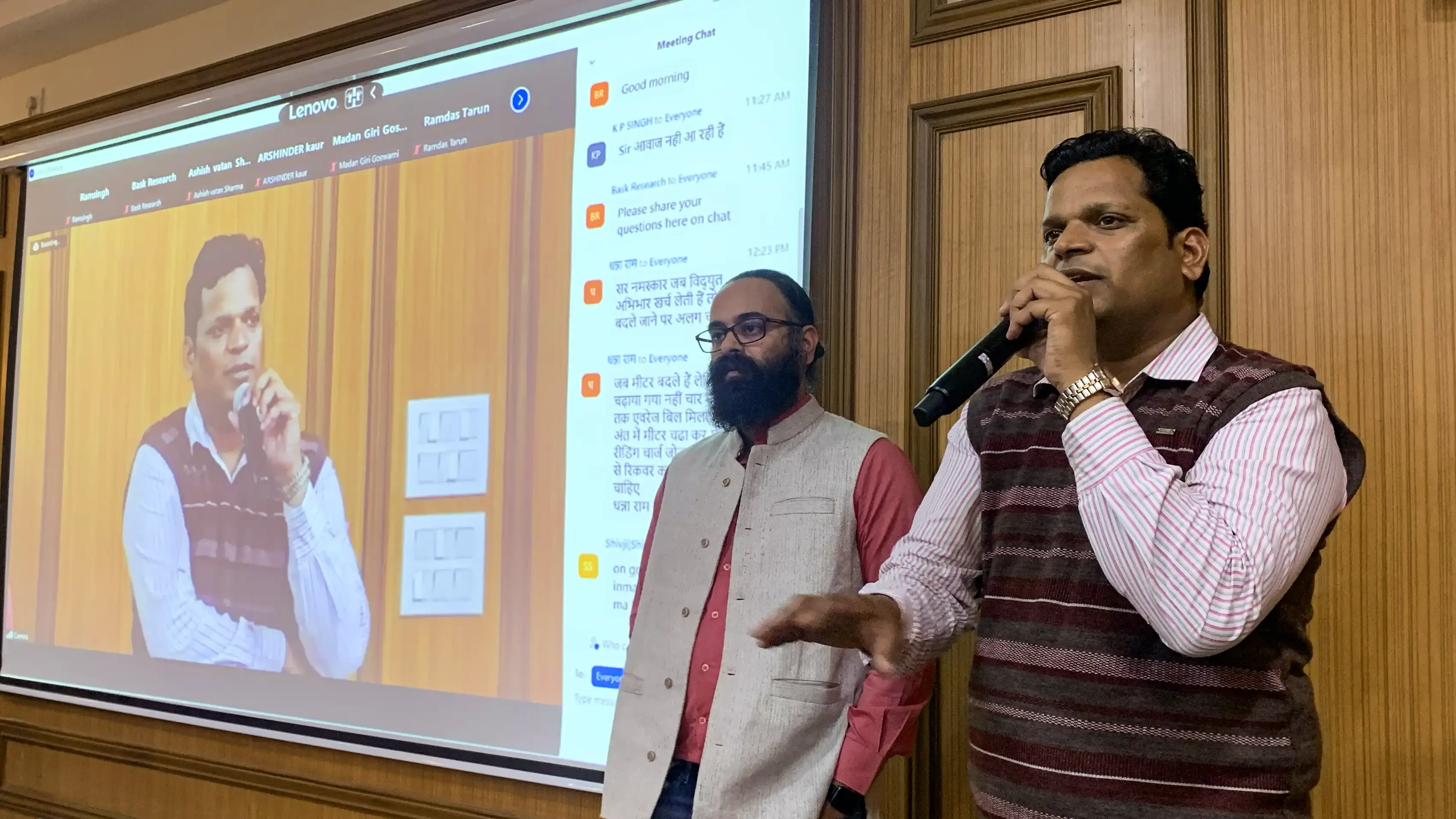
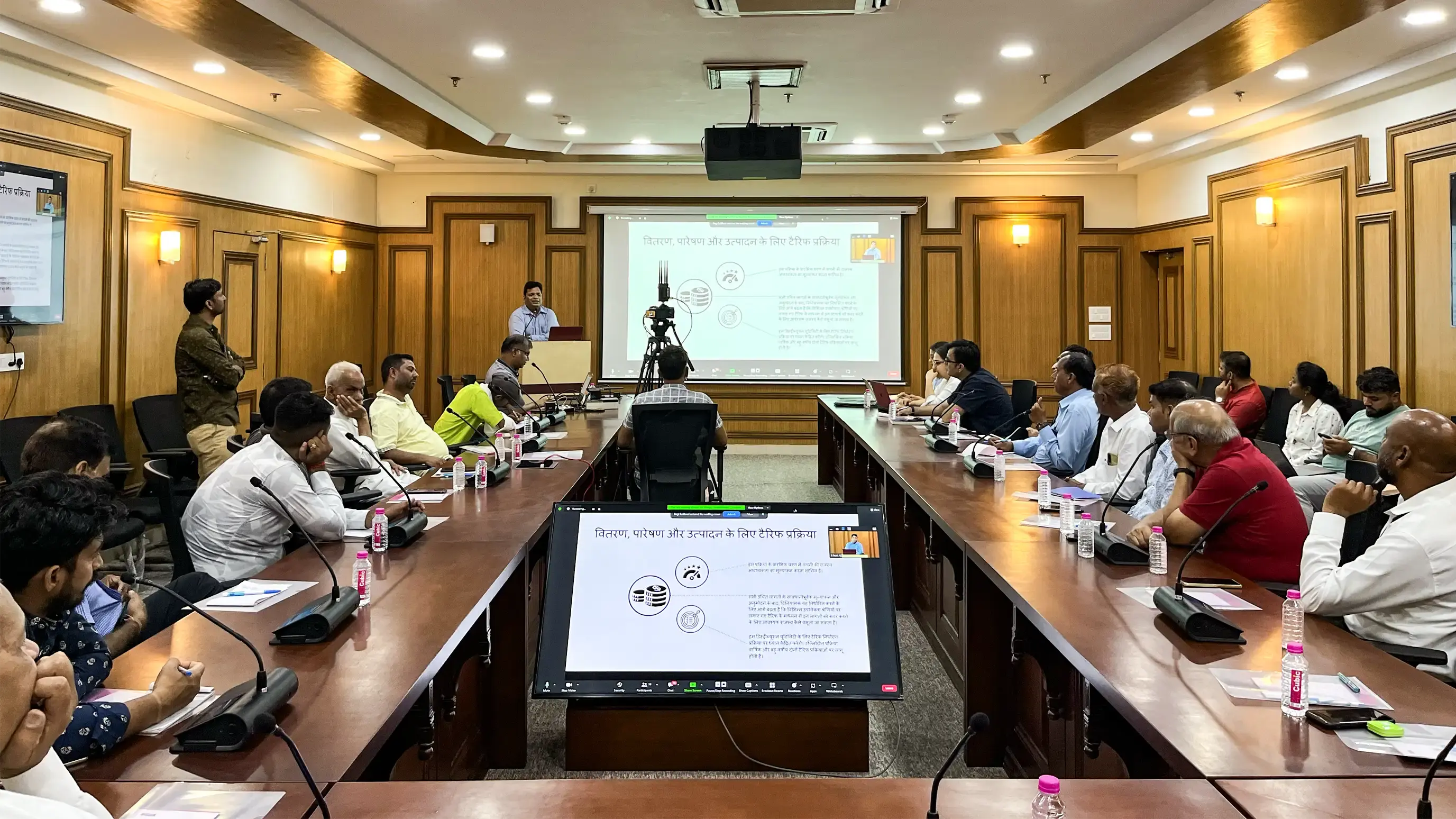
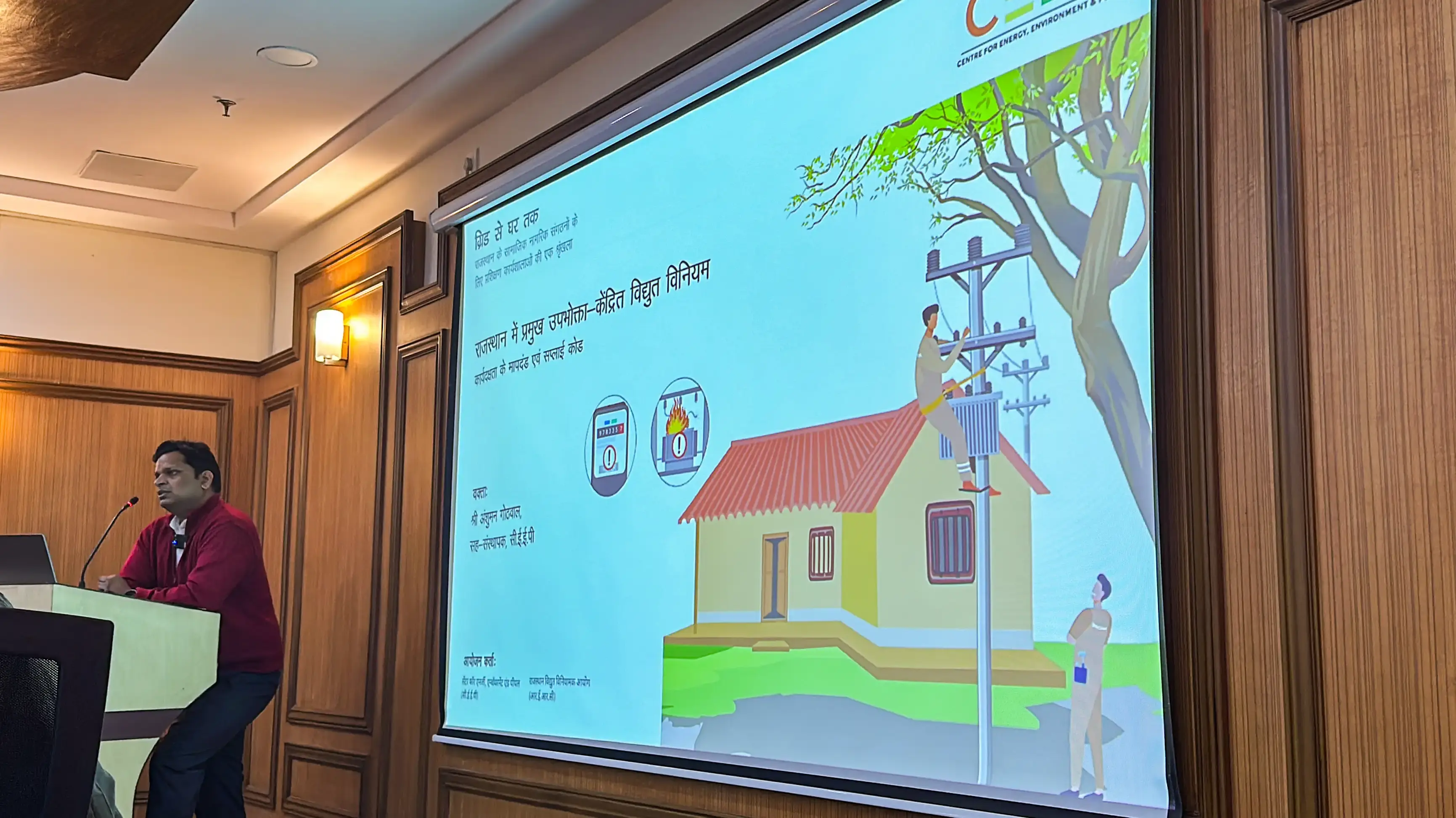
Grid Se Ghar Tak is organised as a set of five training workshops held over a one-year period. Each workshop follows a hybrid format – conducted at the RERC headquarters in Jaipur and simultaneously streamed live on Zoom. The sessions include presentations by power sector experts, question-and-answer discussions, and are recorded for future training purposes.
Each session focuses on a key aspect of electricity governance:

How does the initiative make complex technical and regulatory content accessible for participants of diverse backgrounds?
The workshops are structured to be accessible to those with varying levels of education and digital access, ensuring that all stakeholders, regardless of background, can benefit and contribute to shaping a more inclusive and responsive electricity sector in Rajasthan.
To achieve this, all sessions are conducted in the vernacular and focus on linking technical content to daily experiences. When complex regulations are involved, such as timelines for complaint resolution or grievance procedures, they are explained through relatable, real-world examples. For instance, a discussion around a faulty transformer is used to illustrate the rule that no-supply complaints must be addressed within four hours in urban areas under regulatory norms. Experts from DISCOMs are invited to explain how service delivery systems function at the sub-divisional and divisional levels, which helps demystify official procedures and enables consumers to better navigate them in their localities.
Participants can also request practical materials for later reference, such as step-by-step SOPs and one-pagers on topics like how to read an electricity bill or lodge a complaint. These resources, shared by CEEP, help ensure that the knowledge gained during the workshops can be applied in real-life situations.
What kinds of consumer protections or rights are covered in the workshops?
The workshops examine the regulatory safeguards that affect everyday electricity use. These include minimum service benchmarks under Standards of Performance regulations, procedures for new connections, disconnection and billing errors under the Supply Code, and mechanisms for redressal through the 2021 RERC regulations. The sessions also cover other topics like common barriers to enforcement, including lack of awareness, procedural delays, and gaps in compensation.

How does CEEP hope this training series will influence electricity governance in the long run?
Grid Se Ghar Tak aims to build long-term consumer awareness, promote regulatory accountability, and improve public engagement with electricity governance. However, participation doesn’t steadily grow with each session, and we’ve realised that the first step is simply building people’s belief that these conversations matter - that regulatory processes and electricity governance are relevant to their everyday lives.
Over time, more consumers and civil society organisations have begun to see this space as their own and feel confident engaging with it. In some instances, participants have reached out to file complaints, seek guidance for local advocacy or better understand their rights. These moments, though few, are meaningful signs that this trust is starting to build.
The initiative has also surfaced common concerns across regions, opening possibilities for collective representation on issues of shared relevance. While individual awareness is important, CEEP sees strength in communities coming together to engage with the system. Grid Se Ghar Tak hopes to foster not just informed participation, but a more collective voice in electricity governance.
Please ensure all required fields (*) are filled out accurately.