Rajasthan is often described as India’s solar frontier - abundant sunlight, vast tracts of land, and a climate conducive to renewable energy. To understand how this green energy is unfolding on the ground, I travelled to Nokh, a remote village in western Rajasthan, for a field visit in August 2025.
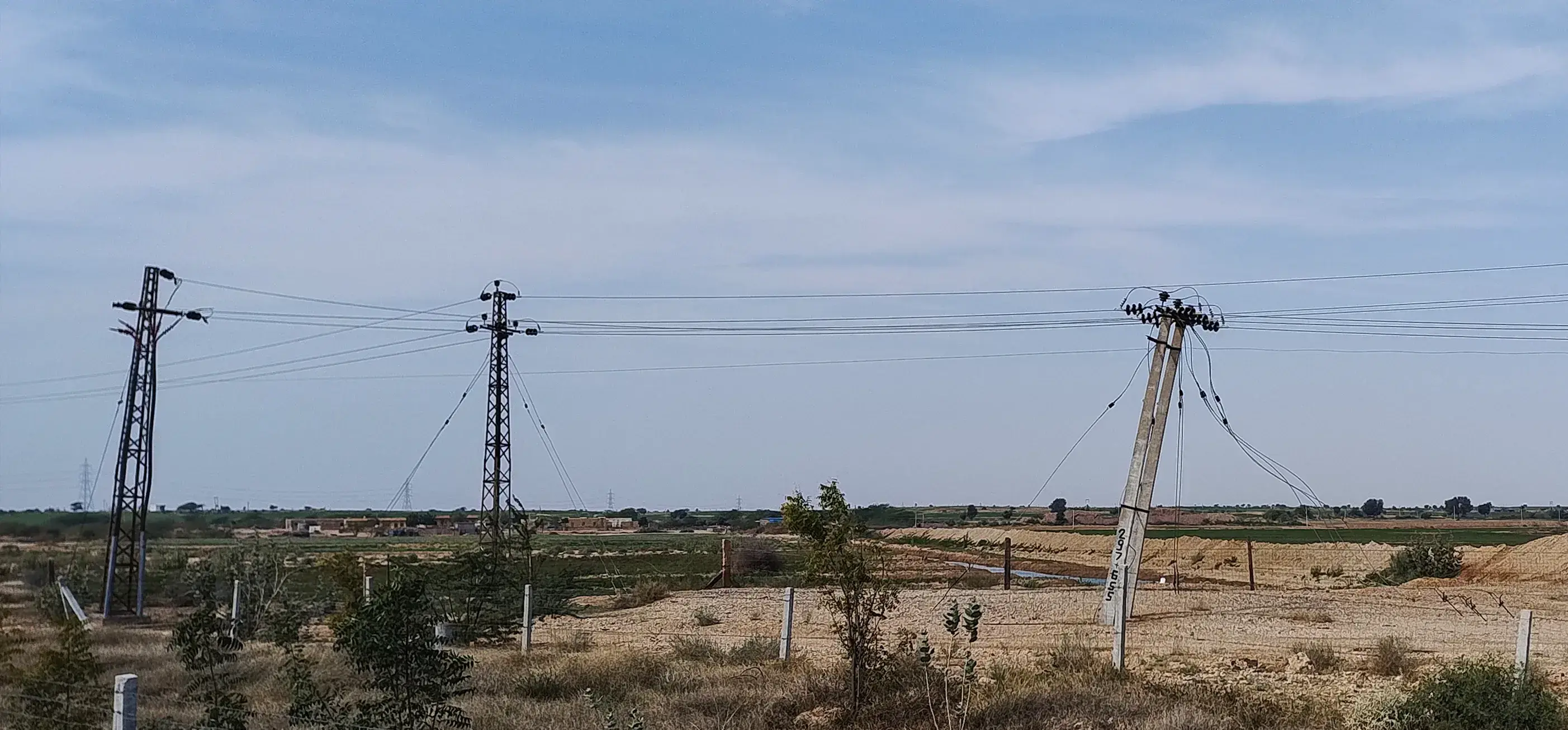
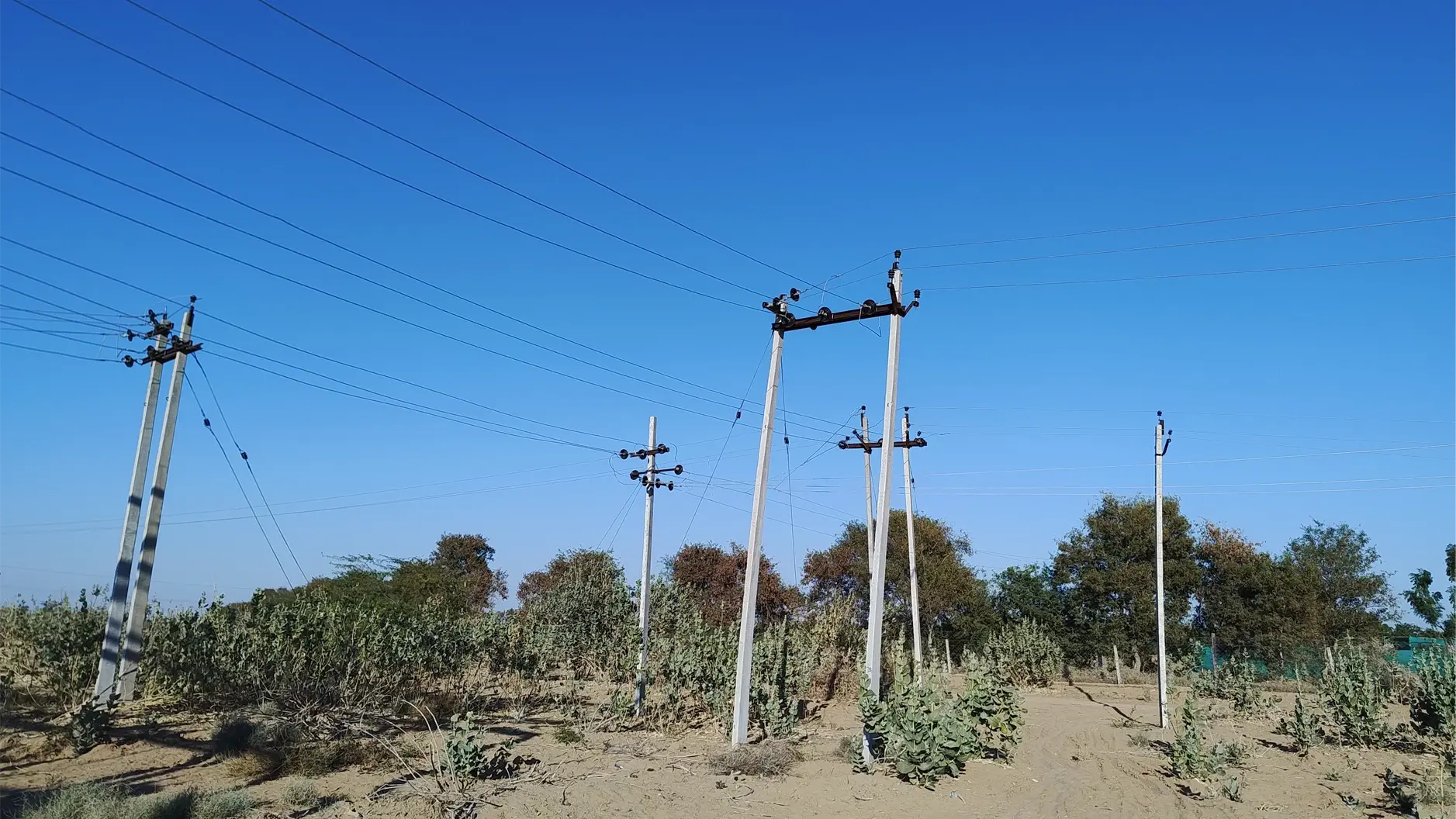
Nokh is surrounded by contiguous stretches of solar panels. Since 2010, the village has been home to several large-scale solar projects. From a distance, the panels look like progress neatly laid out across the desert landscape. The fences and panels are visible markers of change, but their effects on everyday life are less evident.
Despite the soaring temperature, the village looked lively. I sporadically spotted women in bright, colourful attire, and men huddled near small grocery shops, with a game of cards often glueing them to their spots, often oblivious to the shifts around them, shaped by the clean energy transition.
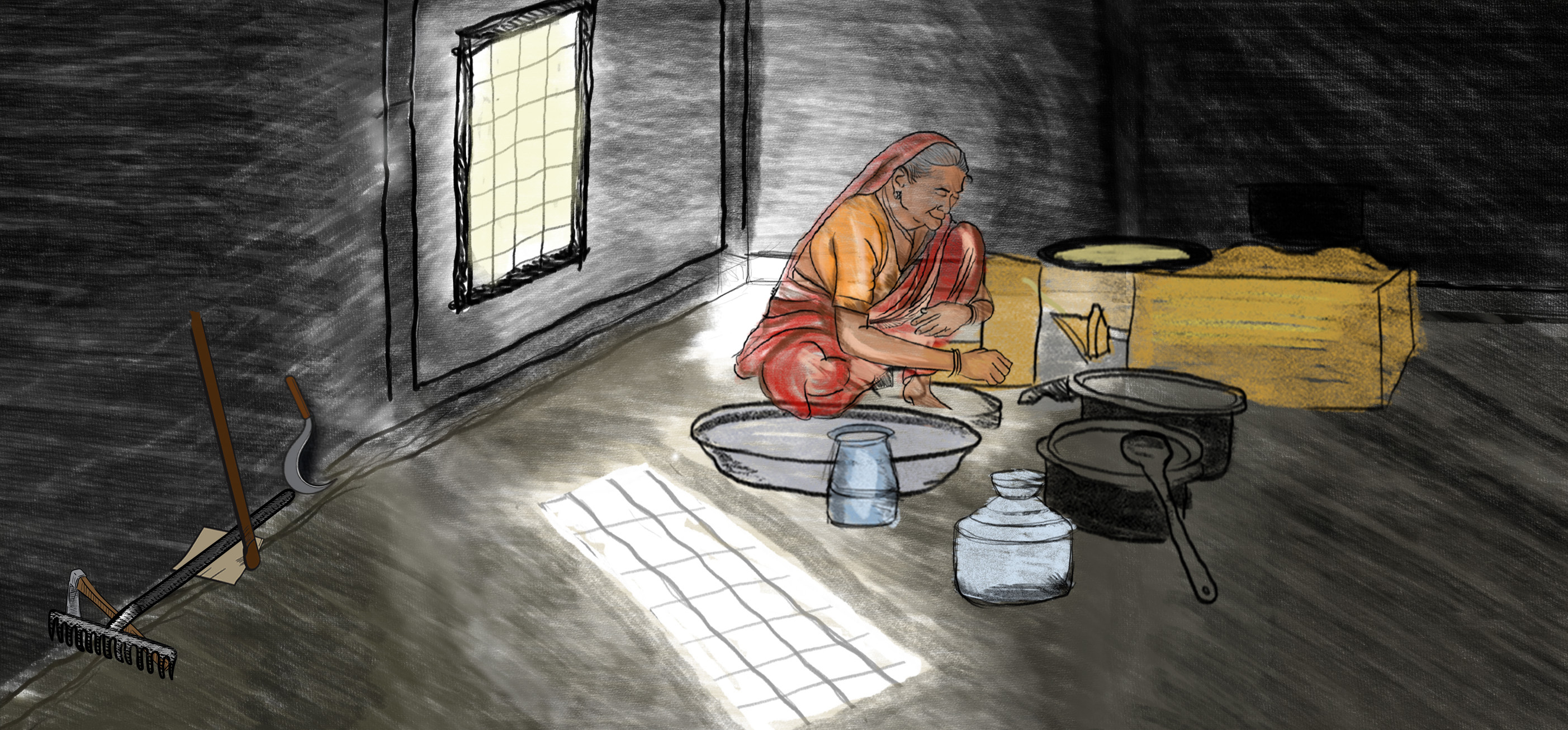
As part of my fieldwork, I specifically wanted to understand what these changes meant for women in the village. I paused at open doorways, gently calling out to see if anyone was home and whether they might speak with me. In nearly every household, as soon as I entered the compound, women and children gathered quickly, forming small circles. We talked, laughed, and spoke about everything under the sun – their husbands, children, education, the ongoing teej festival, and preparations of sattu, a local festive sweet. Despite their evident hectic routines, a simple enquiry about their daily lives had an almost universal response, “Hum toh kuch nahi karte, bas timepass karte hain.” (We don’t do anything, we just pass the time.)
At first, I smiled, assuming this was said lightly. But during my four days of field travel, across caste and class, women repeatedly reduced their labour to menial acts amounting to passing time. Household work, care work, tending to livestock – all converged into “timepass”. The casual erasure of labour felt deeply internalised, leaving a lingering impression on my conscience. I became intrigued about ‘timepass’ and scratched it a bit more. One of the women told me,“Now, we stay at home and do household work. We don’t earn anything.”
For women, this transition has translated into diminishing earning opportunities and the agency that entails it.
Women used to work as agricultural labourers on others’ fields, seasonally sowing and harvesting guar (cluster beans) and bajra (pearl millet), enabling them to earn a modest daily wage. But, with the diversion of public and private lands for solar parks, these forms of work have gradually reduced, and when available, these are often taken over by men who have not found alternative positions at solar plants.
With the loss of this earning opportunity, women’s labour has come to be evaluated through patriarchal and market-centric notions of value – ‘no income equals no real work’. The invisibilisation of domestic drudgery has been systematically internalised by the women themselves, equating their work of care and nurturing to “timepass”.
On the ground, the green energy transition, often celebrated as clean and progressive, is further reinforcing inequalities by leaving women behind. Traditional livelihoods are being displaced and becoming non-viable because of the changing landscape, while women are also completely excluded from opportunities in the solar workforce due to social barriers.
A woman summed up the gendered exclusion poignantly, “Auratein plant mein allowed nahi hai”. (Female labourers are not allowed inside the plant).
My time in Nokh made me reflect on how constant, systemic neglect keeps many women confined to their homes. With few economic opportunities, both within and outside the emerging solar economy, women are already calling their everyday labour as mere “timepass”, and maybe even considering themselves as insignificant.
Illustration by Tarun Swami.

Please ensure all required fields (*) are filled out accurately.