
Vidyut Samwad is an initiative by the Centre for Energy, Environment & People (CEEP) that aims to foster meaningful dialogue and active public participation in electricity governance across the state of Rajasthan, India. This blog takes a closer look at how the initiative bridges the gap between electricity consumers, civil society, experts and other stakeholders - equipping individuals with the knowledge and tools to engage meaningfully in shaping their electricity services and foster a discourse on improving sectoral governance through a nuanced understanding of the systemic challenges.
What is Vidyut Samwad, and why was it started?
Vidyut Samwad (English: Energy Dialogues) is an initiative of the Centre for Energy, Environment & People (CEEP). Launched in 2022, it brings together individuals and civil society organisations (CSOs) across Rajasthan to foster informed participation in electricity-related decision-making. It empowers electricity consumers by helping them understand their rights and responsibilities, enabling them to contribute to a power sector that is both financially viable and technically robust.
Vidyut Samwad also collaborates with power sector experts to deliberate on systemic issues and generate insights for improving sectoral governance and consumer services.
How are Vidyut Samwad sessions structured?
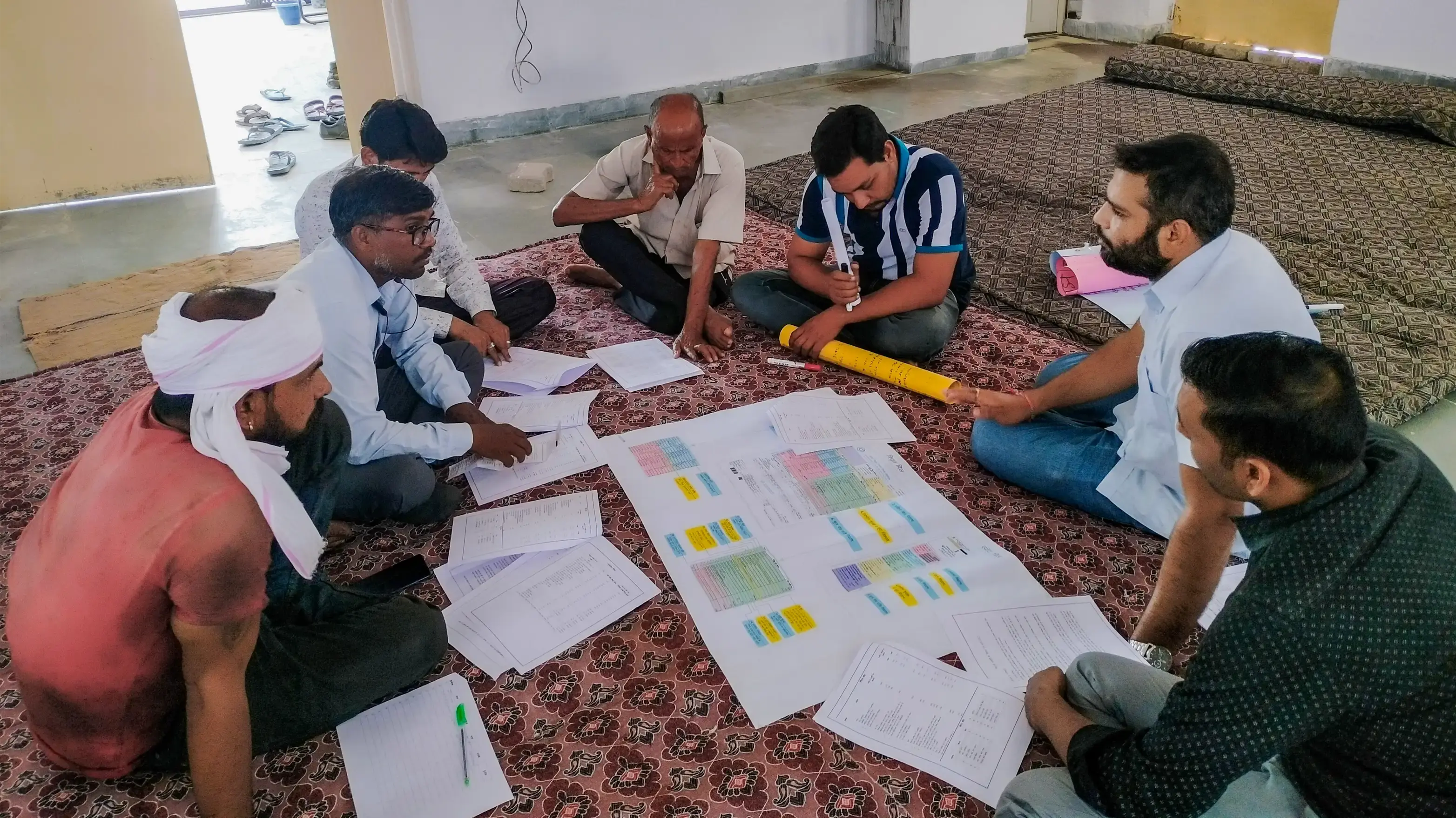
Vidyut Samwad operates in three distinct formats: in-person workshops, online sessions, and informal, participant-led gatherings in towns and villages. Each format follows a distinct structure.
In-person workshops and online sessions are agenda-driven, curated by CEEP, and often include expert presentations and panel discussions. In field settings, dialogues are more flexible - shaped by the concerns raised by participants themselves. Sessions usually last between 1.5 to 2 hours, with some extending into half-day events depending on participants’ needs and local interests.
Who participates in these dialogues and workshops?
Online dialogues often include sector experts and a wider audience, while workshops conducted at the state regulatory commission primarily focus on engaging consumer advocates and civil society organisations (CSOs).
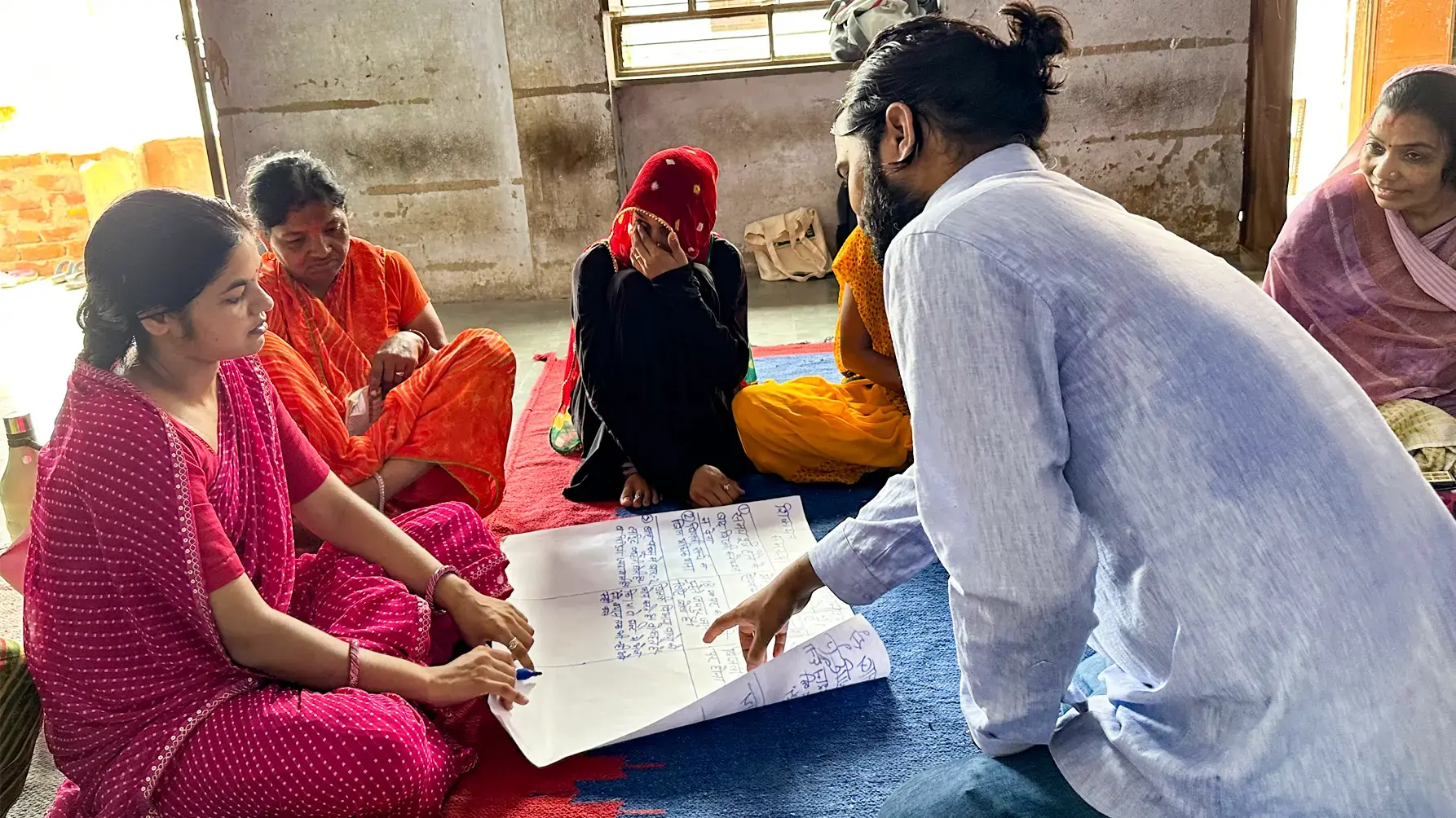
At the grassroots level, sessions typically host 20 to 50 participants from diverse socio-economic backgrounds. Attendees often include individuals previously engaged by CEEP or those introduced through local networks. There are no formal entry requirements - only a willingness to engage with electricity-related issues. Over time, these sessions attract a mix of voices, like civil society groups, sector experts, local communities, and more recently, women leaders.
What kind of topics are covered?
The discussions focus on key issues that directly or indirectly impact electricity consumers. Depending on the session’s format, topics may cover various provisions related to electricity service and supply, including billing and metering, electrical safety for people, animals, and infrastructure, grievance redressal mechanisms, tariffs, subsidies, compensation, the Standards of Performance (SoP), and other consumer-focused regulations and issues. In addition, the dialogues also focus on systemic governance challenges related to electricity utilities, including regulatory gaps, institutional accountability, service delivery inefficiencies, and broader issues affecting the reliability and equity of electricity supply.
How does CEEP ensure the sessions are accessible and inclusive?
CEEP ensures accessibility by providing materials in both Hindi and English, using clear and simplified formats. Complex topics are broken down through easy-to-understand handouts, and local dialects are used when appropriate to ensure better understanding.
Sessions are designed to foster open dialogue and active participation, led by CEEP facilitators and guest speakers when needed.
In field settings, smaller group discussions are encouraged to facilitate inclusive and focused participation. Time is set aside for questions, feedback, and disagreements, both in online as well as offline discussions. Sessions are recorded and shared with participants when needed.


What tools and methods are used to support learning?
Vidyut Samwad employs a variety of interactive and accessible tools to help participants engage with technical and regulatory topics. These include mock electricity bills, role-playing activities, and hands-on exercises that simulate real-life scenarios, such as interpreting bill components or filing complaints. These participatory methods keep the sessions practical and rooted in everyday consumer experiences.
Participants often receive one-page summaries for each theme, offering simplified explanations of key processes like billing, disconnection, grievance redressal, and subsidy eligibility. CEEP also provides step-by-step guidance on seeking assistance, including whom to approach in the Discom, which channels to use, and how to get quick resolutions. These tools are further supported by follow-up materials and one-on-one assistance as needed, helping to sustain the impact of the workshops over time.
How’s Vidyut Samwad shaping leadership and advocacy roles across the state?
The initiative is empowering participants to become active advocates for their rights within the electricity system. Through these dialogues, participants come to recognise themselves as key stakeholders in the sector, entitled to demand fair service, transparency, and accountability. As a result, individuals who once hesitated to engage with officials are now proactively reaching out to Discom representatives, filing complaints, and raising concerns through appropriate channels. For example, Ms Rachna, an Anganwadi worker from Chaksu, now leads a local group of women advocating on electricity-related issues. Another participant, Mr Jitendra from Renwal, independently approached the Consumer Grievance Redressal Forum to address billing discrepancies.

What kind of outcomes has the initiative seen so far?
Vidyut Samwad has engaged electricity consumers and civil society organisations (CSOs) across 7-8 blocks in Jaipur and other parts of Rajasthan. Although still in a nascent stage, the initiative is beginning to change how participants perceive and engage with the electricity sector. What once seemed daunting - interacting with Discom officials - is now becoming a more empowered process, with many participants reaching out to officials, submitting applications, and resolving issues on their own. This growing confidence has also sparked the emergence of local advocates who actively promote improved accountability and service within their communities.
To see how Vidyut Samwad is translating dialogue into grassroots leadership, read about the community-led action in Rajasthan’s Chaksu block here.
The article is edited by Anshuman Gothwal, Co-founder and Director-Programs at CEEP.
Please ensure all required fields (*) are filled out accurately.