

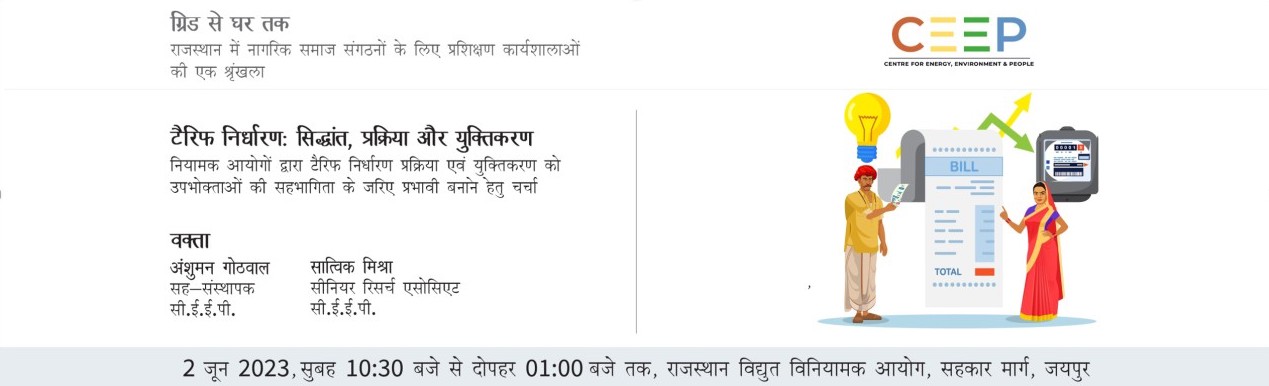
Grid Se Ghar Tak is a training series by CEEP, in collaboration with RERC, to educate Rajasthan's electricity consumers on governance, rights, and responsibilities while fostering active participation in shaping a robust and consumer-focused power sector. The second session focused on tariff determination processes and principles in India. It covered methods for determining tariffs, distribution tariff design, and the challenges of tariff rationalisation.
The series is a consumer-centric initiative supported by Rajasthan Electricity Regulatory Commission (RERC) and facilitated by Centre for Energy, Environment & People (CEEP). It aims to empower individuals and social organisations in Rajasthan to actively participate in shaping the legal, policy, and regulatory landscape for the power sector.
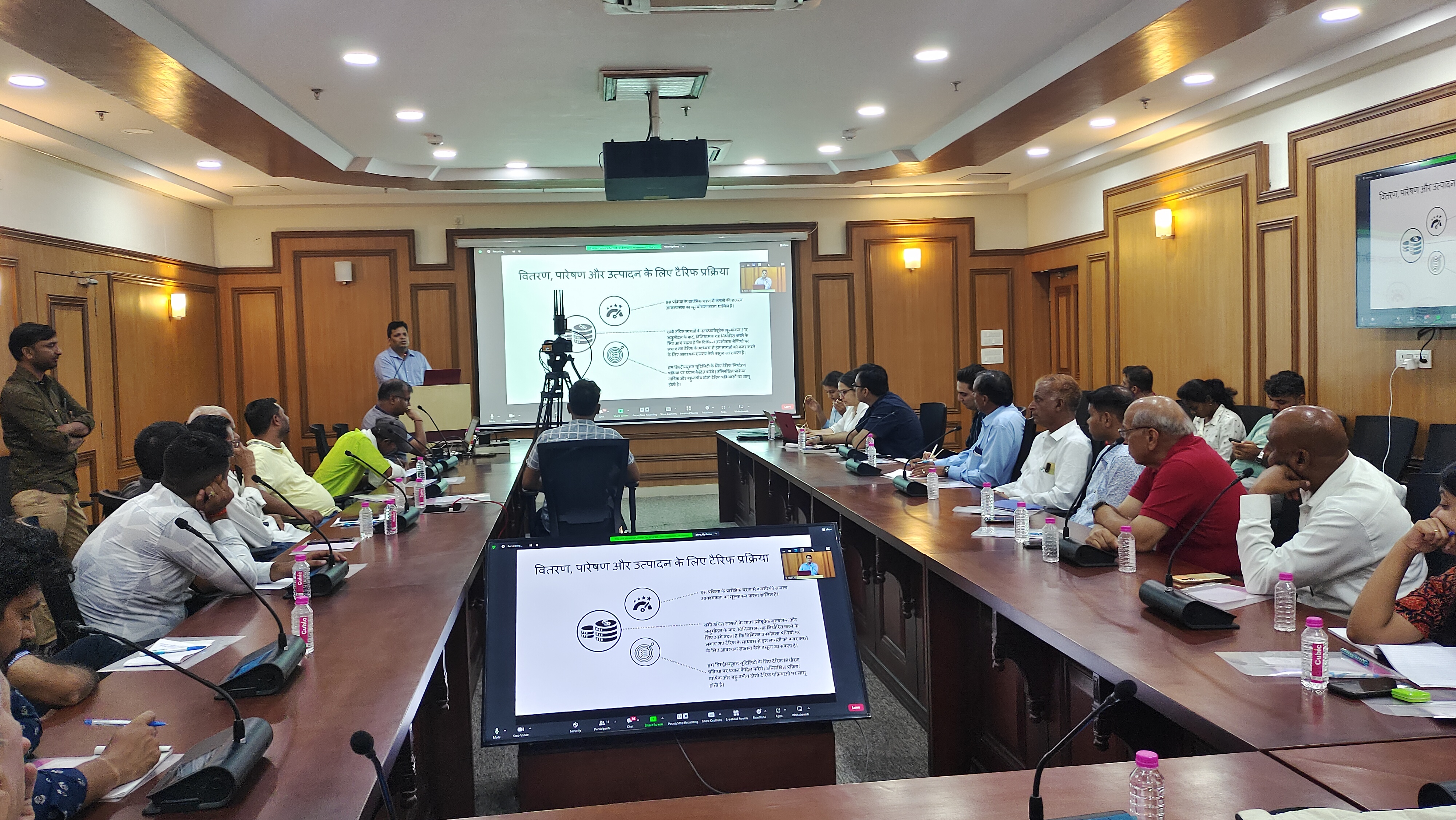
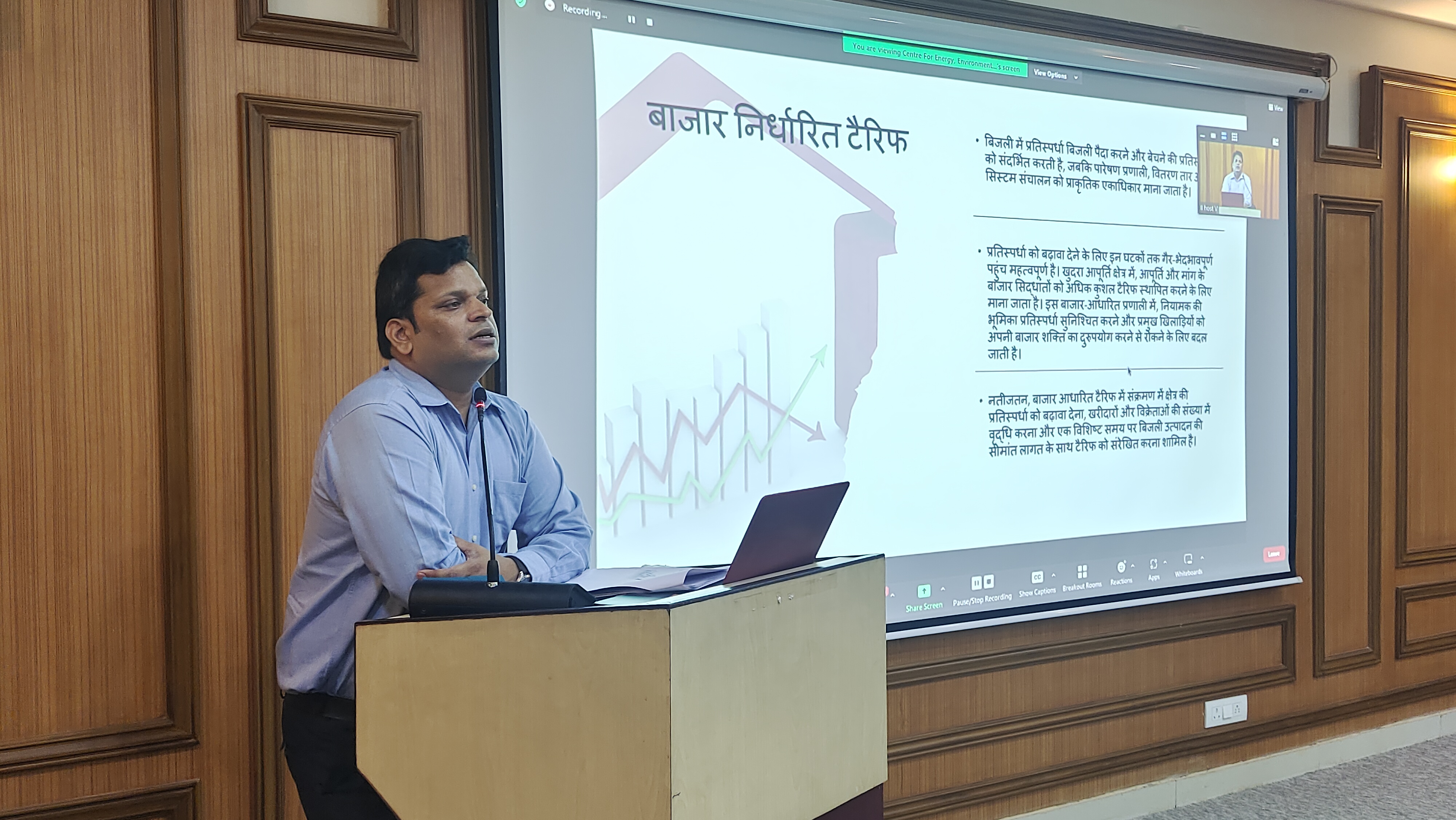
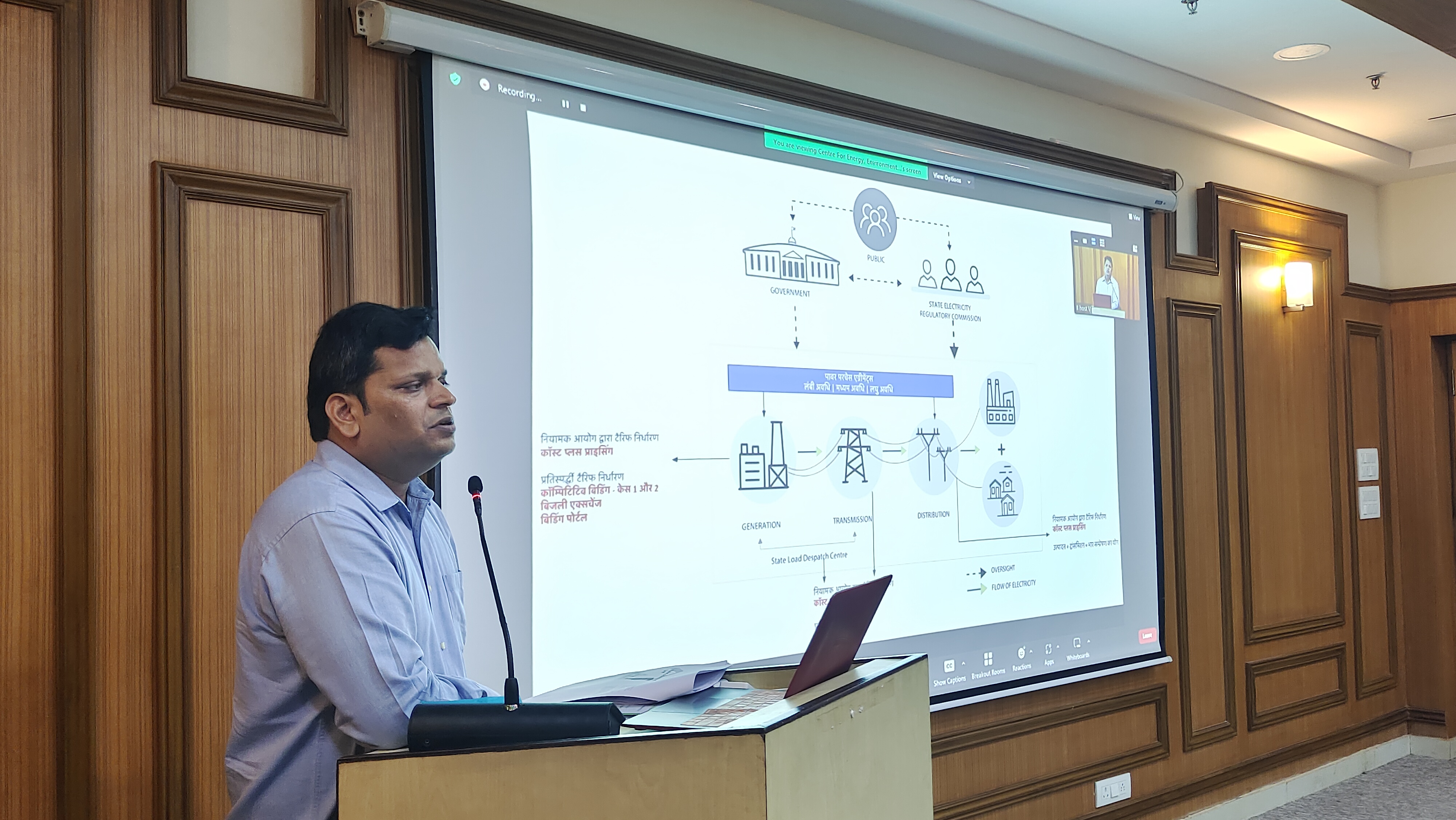
The second workshop of the series revolved around the processes and principles involved in determining India's electricity tariffs, focusing on Rajasthan. It covered policy and framework for determining and designing retail electricity tariffs. Further, tools and priority areas for reviewing tariff petitions were discussed.
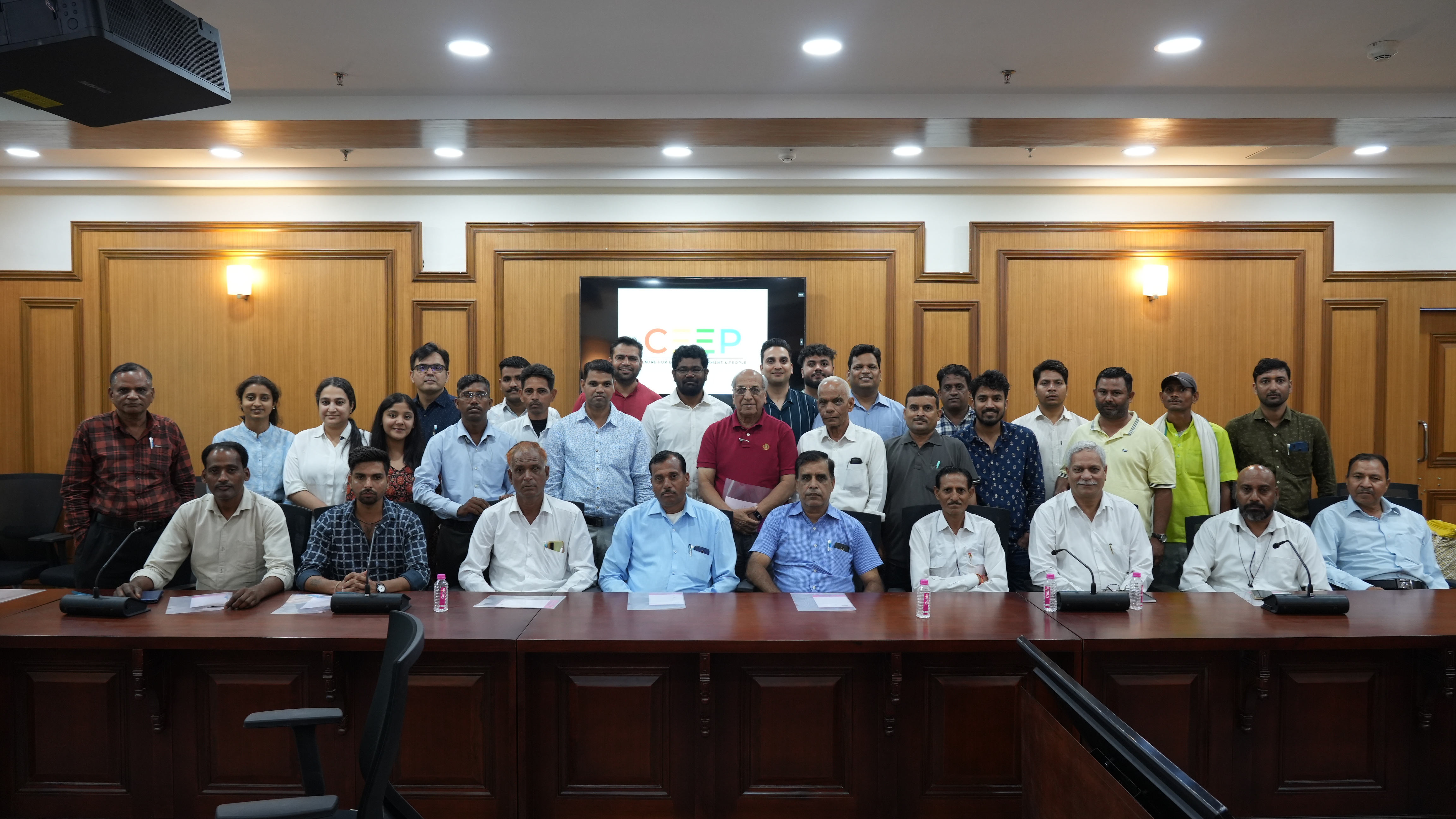
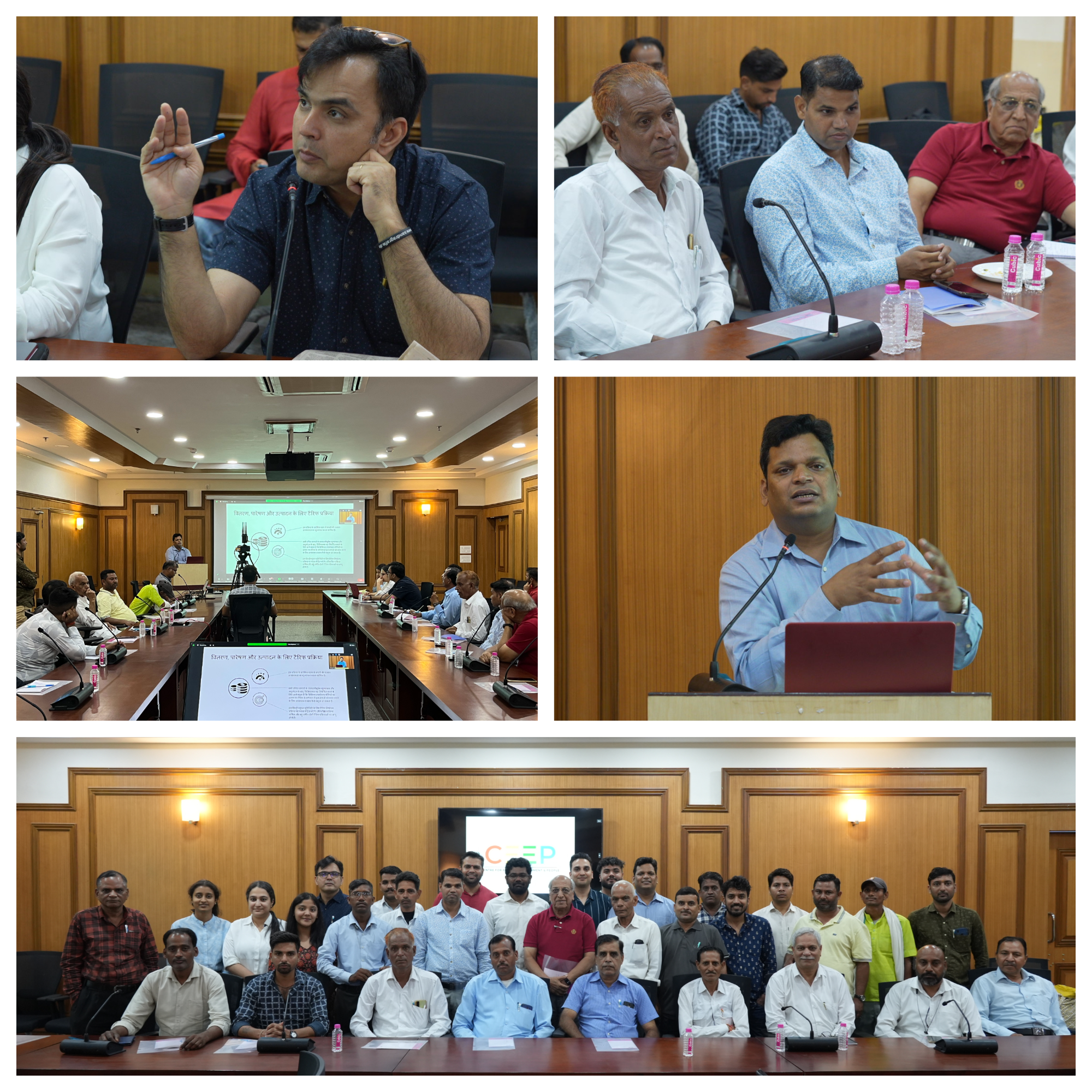
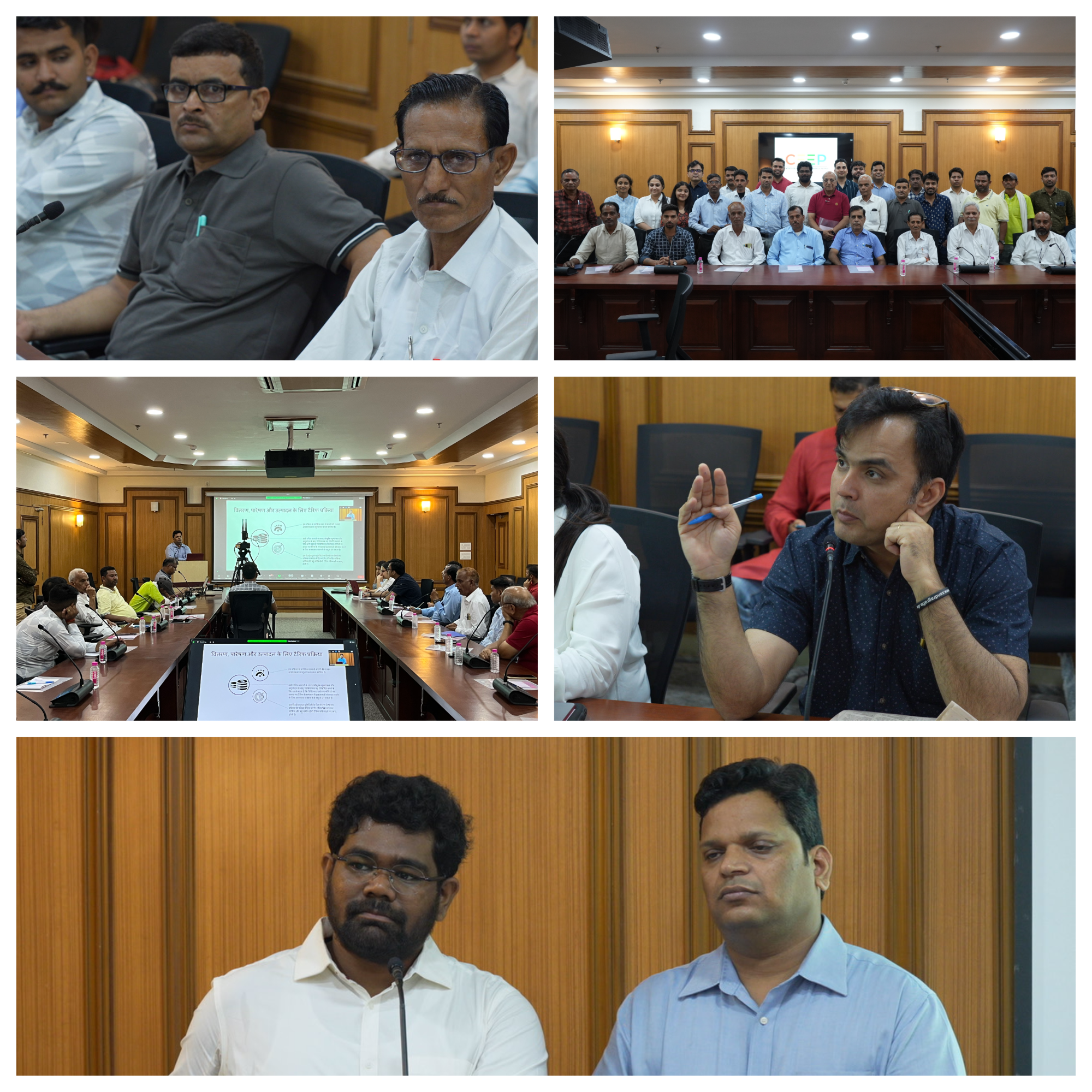
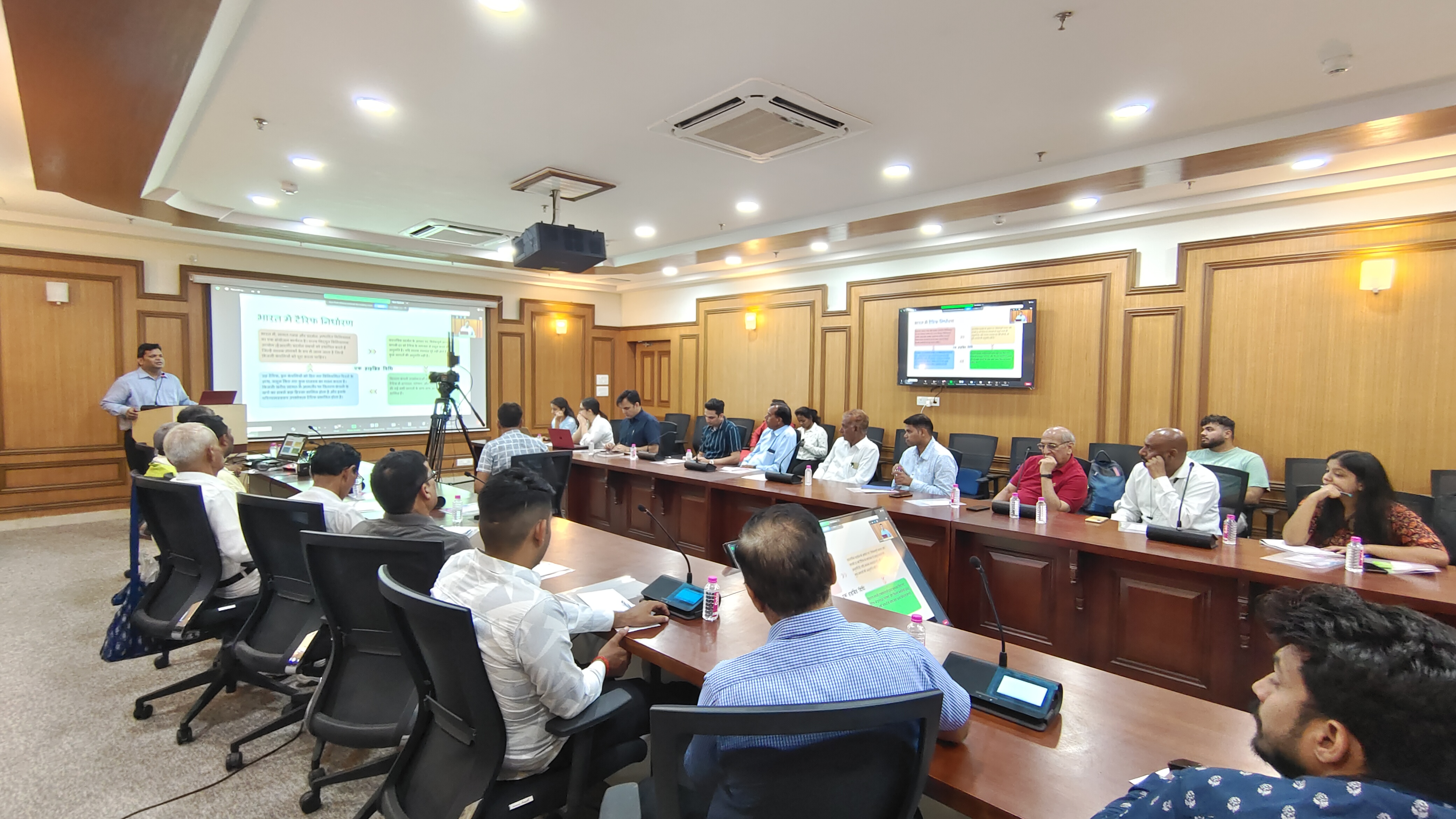
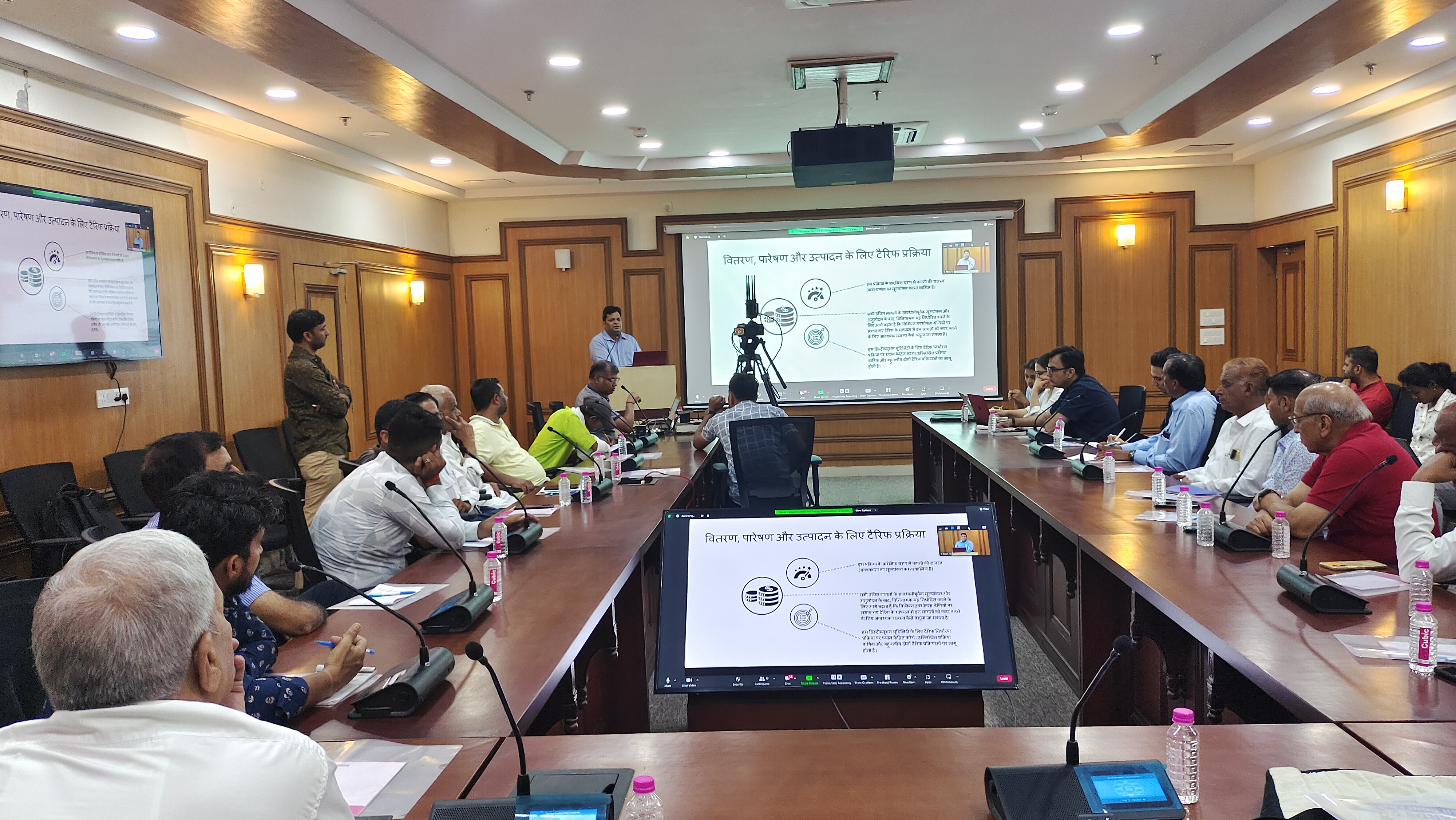
Participants gained insights into tariff rationalisation principles and its associated complexities. The workshop was conducted in a hybrid mode, with 27 persons present at RERC headquarters in Jaipur and 60 joining virtually.
Grid Se Ghar Tak is a training series by CEEP, in collaboration with RERC, to educate Rajasthan's electricity consumers on governance, rights, and responsibilities while fostering active participation in shaping a robust and consumer-focused power sector. The second session focused on tariff determination processes and principles in India. It covered methods for determining tariffs, distribution tariff design, and the challenges of tariff rationalisation.
The series is a consumer-centric initiative supported by Rajasthan Electricity Regulatory Commission (RERC) and facilitated by Centre for Energy, Environment & People (CEEP). It aims to empower individuals and social organisations in Rajasthan to actively participate in shaping the legal, policy, and regulatory landscape for the power sector.
The second workshop of the series revolved around the processes and principles involved in determining India's electricity tariffs, focusing on Rajasthan. It covered policy and framework for determining and designing retail electricity tariffs. Further, tools and priority areas for reviewing tariff petitions were discussed.
Participants gained insights into tariff rationalisation principles and its associated complexities. The workshop was conducted in a hybrid mode, with 27 persons present at RERC headquarters in Jaipur and 60 joining virtually.
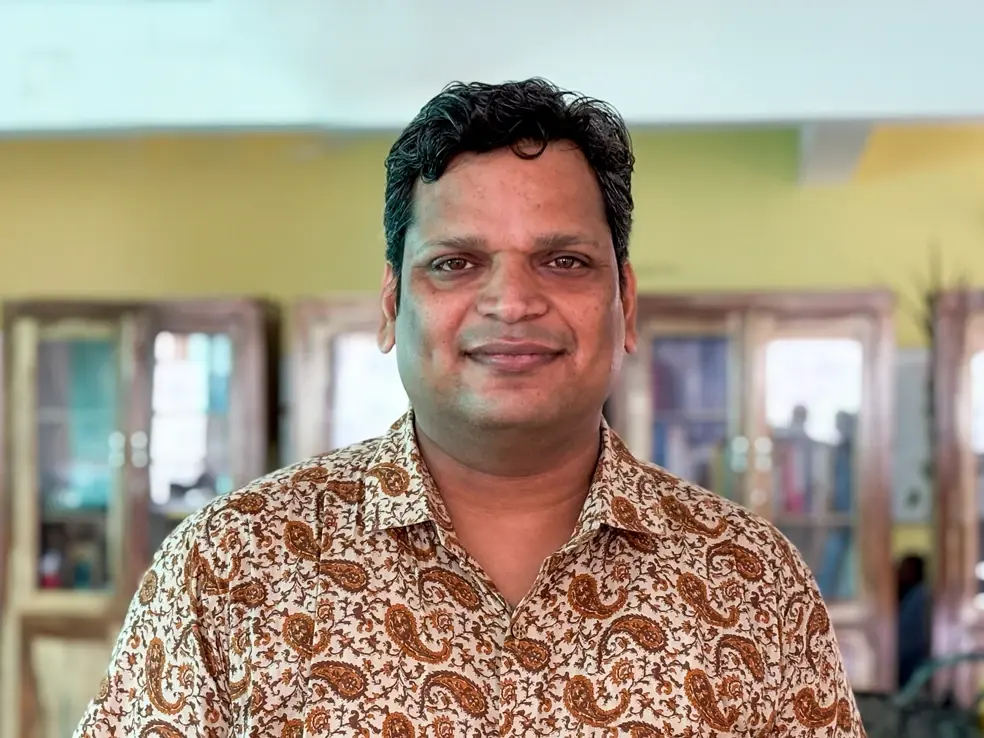
Anshuman, an engineer-turned-public policy researcher, is the co-founder of the Centre for Energy and Environmental Policy (CEEP). Drawing on extensive experience in the power sector, he specialises in regulatory economics, utility operations, and decarbonisation strategies. His work focuses on sectoral governance reforms, energy transition complexities, and institutional transformation, striving for the integration of economic growth with energy equity, justice, and sustainability. Anshuman envisions a governance framework rooted in humanitarian values that prioritises the voices of the most vulnerable.
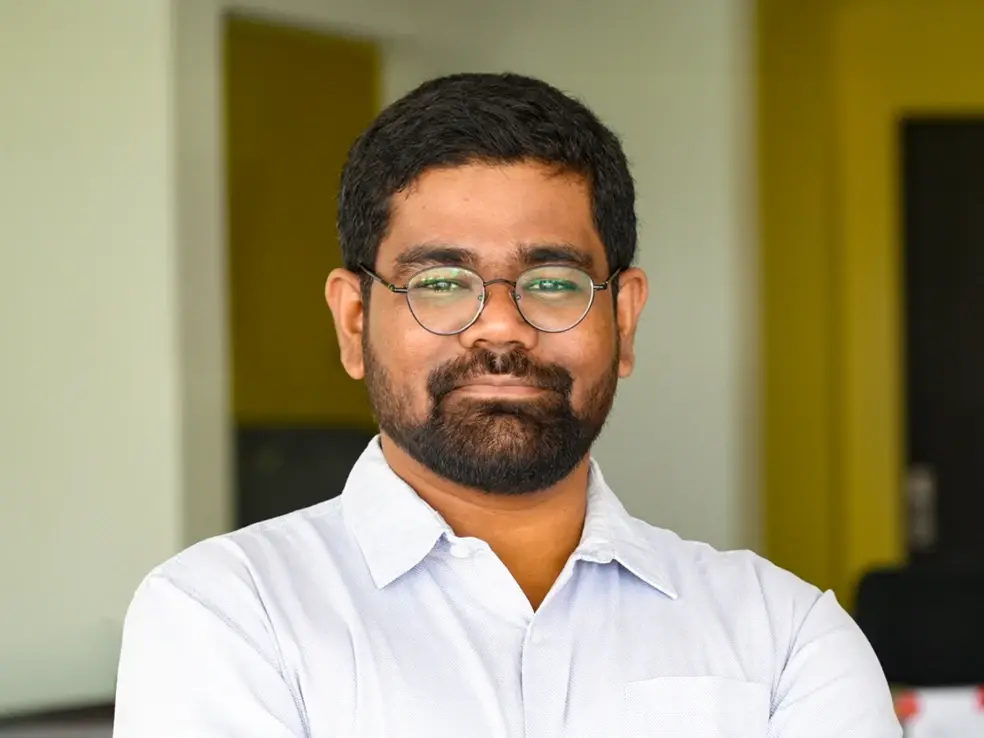
Manideep is a multidisciplinary researcher specialising in energy policy and leads the Energy Transition work at CEEP. He advocates for equitable policies that integrate economic growth with environmental sustainability. His work focuses on promoting socio-economic and political justice in the transition to a low-carbon economy. With a background in electrical engineering and public policy, he brings expertise in distribution utility operations, independent research, and stakeholder engagement.
Anshuman, an engineer-turned-public policy researcher, is the co-founder of the Centre for Energy and Environmental Policy (CEEP). Drawing on extensive experience in the power sector, he specialises in regulatory economics, utility operations, and decarbonisation strategies. His work focuses on sectoral governance reforms, energy transition complexities, and institutional transformation, striving for the integration of economic growth with energy equity, justice, and sustainability. Anshuman envisions a governance framework rooted in humanitarian values that prioritises the voices of the most vulnerable.
Manideep is a multidisciplinary researcher specialising in energy policy and leads the Energy Transition work at CEEP. He advocates for equitable policies that integrate economic growth with environmental sustainability. His work focuses on promoting socio-economic and political justice in the transition to a low-carbon economy. With a background in electrical engineering and public policy, he brings expertise in distribution utility operations, independent research, and stakeholder engagement.
Date: 02 Jun, 2023
Time: 10:30 AM - 1:00 PM
Venue: Conference Hall, 4th Floor, Rajasthan Electricity Regulatory Commission, Jaipur
| Time | Event | Speaker |
|---|---|---|
| 10:30-10:40 | Welcome remarks and Program inauguration | Rajasthan Electricity Regulatory Commission or Centre for Energy, Environment & People |
| 10:40-12:00 | Electricity Tariff | What is Tariff Determination? Methods of cost & tariff determination Tariff Determination in India Tariff process for distribution Consumer participation and key areas to be focussed in a tariff petition | Anshuman Gothwal, Centre for Energy, Environment & People |
| 12:00-12:15 | Questions and Answers | |
| 12:15-12:45 | Tariff Rationalization | What is tariff rationalisation and its principles? Design of tariff schedule Challenges in tariff rationalisation | Satwek Mishra, Centre for Energy, Environment & People |
| 12:45:12:55 | Questions and Answers | |
| 12:55-13:00 | Way Forward and Closing Remarks | Rajasthan Electricity Regulatory Commission or Centre for Energy, Environment & People |
Please ensure all required fields (*) are filled out accurately.